
Integrated Pest Management (IPM): A Guide for Pest Management Technicians in Australia
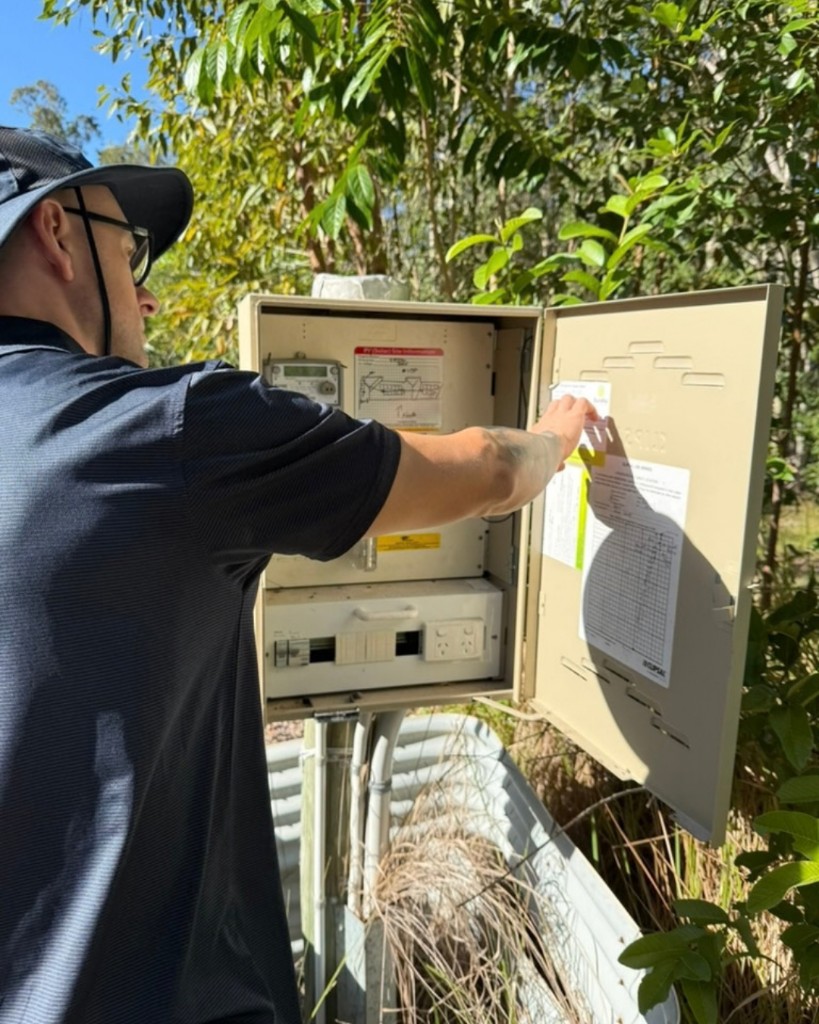
Learning how to choose the right control method starts with training. Explore our General Pest Course and Timber Pest Course.
Effective pest management is about more than applying pesticides. It's about understanding pests, identifying the conditions that allow them to thrive, and using the right combination of strategies to achieve long-term control.
Integrated Pest Management (IPM) is an approach that brings these principles together. Rather than relying exclusively on chemical treatments, IPM combines prevention, monitoring, environmental modification, physical controls, biological methods and targeted pesticide applications.
For Australian pest management technicians, IPM provides a framework for delivering effective treatments while considering human health, environmental protection and the long-term sustainability of pest management practices.
Importantly, IPM is not an anti-chemical approach. Modern pesticides remain essential tools within professional pest management. In fact, advances in pesticide chemistry, formulation technology and application techniques have created opportunities to control pests more precisely while reducing unnecessary consequences of pesticide use.
What Is Integrated Pest Management (IPM)?
Integrated Pest Management is a systematic, evidence-based approach to pest control that uses a combination of methods to prevent, monitor and manage pest populations. At its core, IPM recognises that pest problems are influenced by the environment in which pests live.
For example, pests need access to food, water and shelter. They also require entry points and suitable harbourage. German cockroaches love kitchens, mosquitoes depend on aquatic breeding habitats and termites rely on damp soil and access to cellulose-containing materials. Understanding these relationships allows pest management technicians to address the underlying causes of infestations rather than simply treating the pests that are visible.
According to the NSW Environment Protection Authority, IPM incorporates forward planning, regular monitoring, timely decision-making and different control methods, including physical and biological approaches.
A typical IPM program involves:
- Inspection and identification: Correctly identifying the pest species and understanding its biology and behaviour.
- Monitoring: Assessing pest activity, infestation levels and potential risks.
- Prevention: Identifying and addressing conditions that encourage pest activity.
- Control: Selecting an appropriate combination of non-chemical, biological and chemical treatments.
- Evaluation: Monitoring treatment effectiveness and modifying the management strategy when necessary.
The objective is not necessarily to eliminate every pest from an environment. It is to achieve an appropriate level of control based on the pest species, associated health risks, client expectations and site requirements. In situations involving significant public health risks, such as cockroach infestations in food preparation areas, prompt and effective chemical intervention will be critical.
Non-Chemical Pest Control Methods: Prevention Is Powerful
One of the most valuable aspects of IPM is recognising how much pest activity can be prevented through relatively simple environmental and physical changes. These strategies are particularly relevant in urban environments, where buildings, food sources, waste management practices and human activities create favourable conditions for pests.
1. Environmental Management and Sanitation
Many urban pests thrive because food, moisture and shelter are readily available. Reducing these resources makes environments less attractive to pests and can significantly improve the effectiveness of other treatments.
Examples include:
- Improving food storage and cleaning practices to reduce food sources for cockroaches, ants and rodents.
- Repairing leaking taps, pipes and drainage systems to reduce moisture available to subterranean termites, mosquitoes and ants, and to help prevent erosion of building foundations.
- Removing clutter, stored cardboard and unnecessary materials to prevent rodent nesting.
- Improving waste storage and ensuring bins are sealed and regularly emptied to prevent flies.
- Eliminating standing water in containers, gutters and other locations where mosquitoes can breed.
Practical example: A commercial kitchen experiencing repeated German cockroach activity may have inaccessible food debris beneath equipment, leaking plumbing and numerous harbourage areas. Applying an insecticide without addressing these conditions may provide temporary control, but the environment will continue to support cockroach populations. An IPM approach combines treatment with sanitation improvements, moisture management and ongoing monitoring to reduce the likelihood of reinfestation.
2. Physical Exclusion and Pest-Proofing
Physical exclusion involves modifying buildings and structures to prevent pests from entering or moving through them. For urban pest management technicians, exclusion can be one of the most effective long-term preventive strategies.
Common examples include:
- Sealing gaps around plumbing penetrations and utility connections to prevent termites and cockroaches entering.
- Installing door sweeps to prevent rodent and crawling spider entry.
- Fitting insect screens to windows, vents and other openings to prevent flying insects and reduce spider activity.
- Sealing air-conditioning pipes to reduce rodent and snake entry into roof voids.
- Removing vegetation and trees that can grow into the building fabric.
Exclusion is particularly valuable in facilities where pest activity creates significant hygiene or contamination risks, including hospitals, food manufacturing facilities and commercial kitchens. Rather than repeatedly treating incoming pests, technicians can help clients reduce the opportunities for pests to enter in the first place.
3. Mechanical and Physical Controls
Mechanical controls provide another way to manage pests without relying exclusively on pesticides.
Examples include:
- Snap traps and other suitable mechanical trapping devices for rodents.
- Vacuuming mites from accessible harbourage areas.
- Removing accessible insect nests, pupae and eggs where appropriate and safe.
- Using freezing and steaming for bed bug infestations.
- Installing monitoring traps to detect pest activity and identify areas requiring attention.
These methods may provide immediate pest reduction, assist with population monitoring or complement chemical treatments. However, their effectiveness depends on the pest species, the severity of the infestation and correct implementation. For example, heat treatment for bed bugs requires carefully controlled temperatures throughout infested areas. Improperly conducted treatment may leave surviving insects or eggs.
The important principle is that non-chemical control methods must be selected and implemented with the same technical care as chemical treatments.
Biological Pest Control: Using Nature to Manage Pest Populations
Biological control is another component of IPM that deserves greater attention. Biological pest control involves using living organisms or biological processes to suppress pest populations. Depending on the situation, this can involve predators, parasites, pathogens or other biologically based technologies.
Although biological control is well established in agriculture and horticulture, its application in urban pest management is more specialised.
Microbial Control of Mosquitoes
One practical example is the use of Bacillus thuringiensis subspecies israelensis (Bti), a bacterium used in microbial mosquito larvicides. Bti produces toxins that act on susceptible mosquito larvae when ingested. Rather than relying on broad insecticide applications against adult mosquitoes, microbial larvicides can target immature mosquitoes in suitable aquatic habitats.
Bti-based products are particularly relevant in urban mosquito management programs where breeding sites cannot be removed or drained.
This is an excellent illustration of IPM because mosquito management can combine:
- Removal of standing water.
- Environmental modifications to reduce breeding habitat.
- Installation of insect screens.
- Mosquito surveillance and larval monitoring.
- Targeted use of registered microbial larvicides where appropriate.
While Bti can offer advantages in selectivity, it is still a pesticidal product and must be used according to its approved label.
Natural Predators and Biological Agents
Natural predators can also contribute to pest population regulation. For example:
- Predatory insects, spiders and other organisms naturally suppress certain insect populations in outdoor environments.
- Some fungi or beneficial nematodes infect susceptible insects.
- Wolbachia bacteria is used to create infertility in mosquitoes.
- Dung beetles remove breeding material for bush flies.
Biological controls have limitations in urban settings. Their effectiveness may depend on environmental conditions, the target species and whether the biological agent can survive and reach the pest. Releasing predators or biological agents must be done under strict compliance with biosecurity legislation and is monitored by research and government agencies. We do not want another cane toad situation in Australia.
Why Chemical Treatments Remain Essential in IPM
One of the biggest misconceptions about IPM is that it means avoiding pesticides entirely.
Effective IPM is not about choosing between chemical and non-chemical control. It is about understanding when, where and how each method should be used together.
Chemical treatments remain essential in many pest management situations, particularly where infestations are established, difficult to access or present significant risks to human health, property or hygiene.
Consider a substantial German cockroach infestation in a hospital kitchen, or an active subterranean termite infestation threatening the structural integrity of a building. Sanitation, exclusion and environmental improvements are important, but they may not be sufficient to achieve the necessary level of control. In these situations, appropriately selected chemical treatments can provide targeted, effective intervention. The value of IPM is that chemicals form part of a broader treatment strategy rather than being the only strategy.
For example, a technician managing a fire ant infestation might identify and address food sources, trace entry points, advise on exclusion measures and apply an appropriate bait formulation or consider direct nest injection where people and animals are at risk.
Modern Pesticide Chemistry: Smarter, More Targeted Treatments
Pesticide technology has evolved considerably, providing technicians with more options for how active ingredients are delivered, where they are applied and which biological processes they target. These innovations can help reduce potential exposure to people, pets and non-target organisms when products are appropriately selected and used.
However, it is important to distinguish between a pesticide's inherent hazard and the actual risk associated with its use. Risk depends on factors such as toxicity, exposure, application method, persistence and environmental conditions. Three important developments demonstrate how pesticide technology has improved vastly.
1. Targeted Gel Baits
Gel bait technology has transformed how many technicians approach cockroach and ant management. Instead of relying solely on widespread surface spraying, technicians can place small amounts of insecticidal bait in carefully selected locations where pests forage. The active ingredient is incorporated into an attractive food-based formulation, allowing pests to encounter and consume the treatment. The bait is taken back to the brood, transferring the treatment through the whole colony, ending the problem at its root cause.
2. Insect Growth Regulators (IGRs)
Insect growth regulators represent another important development in pest management chemistry. Unlike many conventional insecticides that primarily act on insect nervous systems, IGRs interfere with processes involved in insect growth, development or reproduction. Some mimic insect hormones, while others interfere with the formation of chitin, an essential component of the insect exoskeleton.
Depending on the active ingredient and pest species, this may prevent immature insects from developing normally or reaching reproductive maturity. IGRs can be useful in managing pests such as cockroaches, termites, ants, mites, ticks, fleas and mosquitoes. IGRs pose a very low, almost negligible risk to mammals, and some rapidly deteriorate in water, so they are suitable to apply to mosquito-ridden waterways.
3. Precision Formulations and Application Technology
Innovation is not limited to the discovery of new active ingredients. Advances in formulation and application technology can also improve how existing chemistry is used.
Examples include:
- Bait stations that help limit access by children, pets and non-target animals.
- Microencapsulated formulations designed to influence active ingredient release and persistence.
- Targeted crack-and-crevice treatments that focus applications on pest harbourage.
- Improved monitoring techniques that allow treatments to be directed towards areas of confirmed activity.
- AI monitoring and target species identification technology that reduces the impact on non-target species.
Public Health and Environmental Responsibility
From a public health perspective, IPM offers an important opportunity to balance two objectives:
Protecting people from pest-related hazards while minimising unnecessary exposure to pest control chemicals.
Urban pests are more than simply a nuisance. Rodents and cockroaches can contaminate food and surfaces. Cockroach allergens may contribute to allergic disease and asthma symptoms. Mosquitoes can transmit pathogens responsible for diseases affecting Australian communities. Ticks spread diseases that can kill pets. Mites spread communicable diseases. Flies lay eggs in the flesh of animals and humans. Subterranean termites can literally eat your life savings in 4 months. Fire ants kill native wildlife, render farming impossible and kill humans. Invasive ants wipe out native wildlife. Invasive plants ruin entire ecosystems.
Effective pest management therefore plays an essential role in maintaining healthy living and working environments. But pest control interventions must also consider chemical exposure, particularly in sensitive settings such as childcare centres, aged care facilities, hospitals and residential properties. IPM supports this balance by encouraging pest management technicians to assess the problem comprehensively, consider prevention and non-chemical options, and make informed decisions about chemical treatment.
In Australia, the Australian Pesticides and Veterinary Medicines Authority (APVMA) assesses agricultural and veterinary chemical products against legislative criteria relating to safety and efficacy. Pest management technicians must use products authorised for their intended use, comply with label directions and follow applicable state or territory requirements. This is why Australia mandates that pest managers are appropriately trained and licensed — with steep penalties for non-compliance. For the steps involved, see our guide on how to get a pest control licence in Australia.
Frequently Asked Questions
Building Better Pest Management Technicians with Advance You
At Advance You, we believe competent pest management technicians need to understand not only how to apply treatments, but also why particular control methods are appropriate. Developed by experienced pest control operators with expertise in education and public health, our training focuses on connecting technical knowledge with real-world pest management practices.
Our blended flexible delivery model combines digital learning with supervised, practical real workplace experience, helping students develop the knowledge and skills needed to make informed decisions in the field. Because effective pest management is about more than treating the pests you can see. It's about understanding the entire ecological problem and knowing how to achieve the best possible outcome.
Explore Advance You's courses and our unique Ride and Learn program. Call us to discuss how our practical, industry-focused training helps develop competent and confident pest management technicians.