
How Do I Get a Pest Control Licence in Australia?
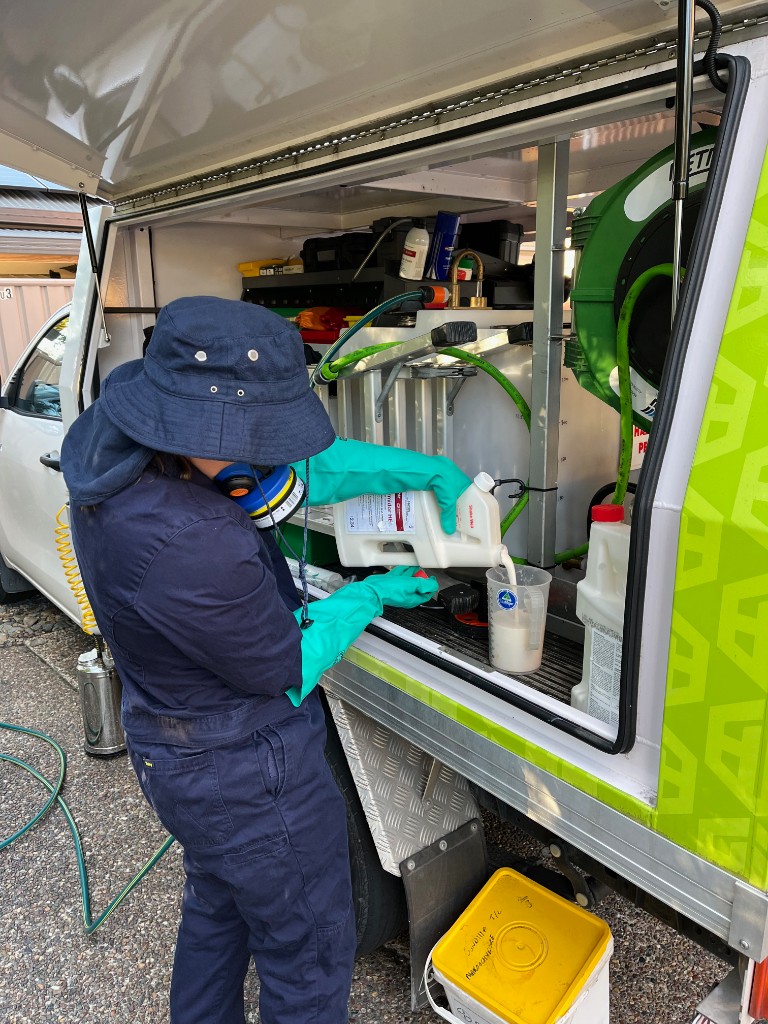
Need the training units for licensing? See our General Pest Course covering CPPUPM3005, CPPUPM3006 and CPPUPM3018.
If you want to work as a pest control technician in Australia, you must hold a pest management licence issued by your state or territory licensing authority. This licence allows you to legally apply pesticides and carry out pest management services for residential and commercial customers.
Each state and territory regulates licensing separately, but the pathway is very similar across most of Australia. Western Australia and the Australian Capital Territory use different licensing systems and training requirements. If you are comparing options, visit our General Pest Course for current training pathways.
This guide explains the typical process for becoming a qualified and licensed pest management technician.
Step 1: Work with a Pest Control Company
Most people begin their career by working with an established pest control company. While it is not the only pathway, it is usually the most practical way to enter the industry.
Working with a company helps you gain practical experience while learning the skills required to become licensed. Many employers also support new technicians by paying for training while they work. You can also contact our team to discuss suitable workplace-supported study options.
Working with a pest control company allows you to:
- Learn real-world procedures on active job sites
- Complete required practical assessment tasks
- Receive supervision from experienced technicians
- Develop the skills needed to work independently
- Understand how pests interact with buildings and the environment
Step 2: Complete the Required Pest Management Training
To qualify for a pest management licence in Australia, you must complete nationally recognised training through a Registered Training Organisation. Our pest control course is designed to support this pathway.
For general pest control services such as ants, cockroaches, spiders and rodents, most licensing authorities require these units:
- CPPUPM3005 - Manage pests without applying pesticides
- CPPUPM3006 - Manage pests by applying pesticides
- CPPUPM3018 - Maintain equipment and pesticide storage areas in pest management vehicles
In Western Australia, the pathway typically leads to the Certificate III in Urban Pest Management. In the ACT, pest control technicians operate under permits issued by the EPA ACT.
If you plan to progress beyond general pests, explore our Timber Pest Course for specialist skills and licensing support.
Step 3: Apply for Your Pest Management Licence
After completing training, apply for a licence through your state or territory licensing authority.
- Queensland Health Environmental Hazards Unit
- NSW Environment Protection Authority
- Victorian Department of Health
- South Australian Department of Health
- Northern Territory Department of Health
- Tasmanian Department of Natural Resources and Environment
You will usually need:
- Your Statement of Attainment
- Proof of identity
- A completed application form
- Payment of the licence fee
Step 4: Gain Experience and Expand Your Licence
Many technicians start with a General Pest Management licence, which usually covers common urban pests including:
- Ants, cockroaches, spiders and rodents
- Wasps and bees
- Stored product and fabric pests
- Bed bugs and other biting pests
- Parasites such as ticks, fleas and mites
- Other occasional invading pests
After gaining experience, many technicians expand into specialist areas such as timber pest management, fumigation, bird management, and pest control in sensitive environments. You can read more about career progression in our pest controller career guide.
How Long Does It Take to Become a Pest Control Technician?
Timeframes vary based on your training format, work schedule, and how quickly you complete practical evidence requirements. General pest units often take several weeks to several months, with additional time for workplace assessments.
Training duration can also be affected by:
- Seasonality and local pest activity
- Regional pest types and evidence opportunities
- Training provider delivery methods
- Student support and assessor responsiveness
Why Pest Control Licensing Is Important
Licensing protects public health, the environment, customers, and technicians. Licensed technicians must understand:
- Safe pesticide use and application techniques
- Pest identification, biology, and ecology
- Risks pests pose to homes, businesses, and communities
- Chemical storage and transport requirements
- Environmental risk management and legal compliance
Start Your Pest Control Career in Australia
Pest management is a growing industry with strong demand and long-term career opportunities. To get started:
- Work with a pest control company or arrange workplace support
- Complete nationally recognised training through an RTO
- Apply for your licence through your state authority
- Build experience and expand your qualifications
With the right training and practical experience, you can build a rewarding career protecting homes, businesses, and communities from pests. If you want personalised advice on enrolment and timelines, visit our individual training pathways, General Pest Course, or Find My Training Pathway.
Frequently Asked Questions
Need more answers? Visit our full FAQ page for business owner and technician questions.