
How to Become a Pest Controller in Australia
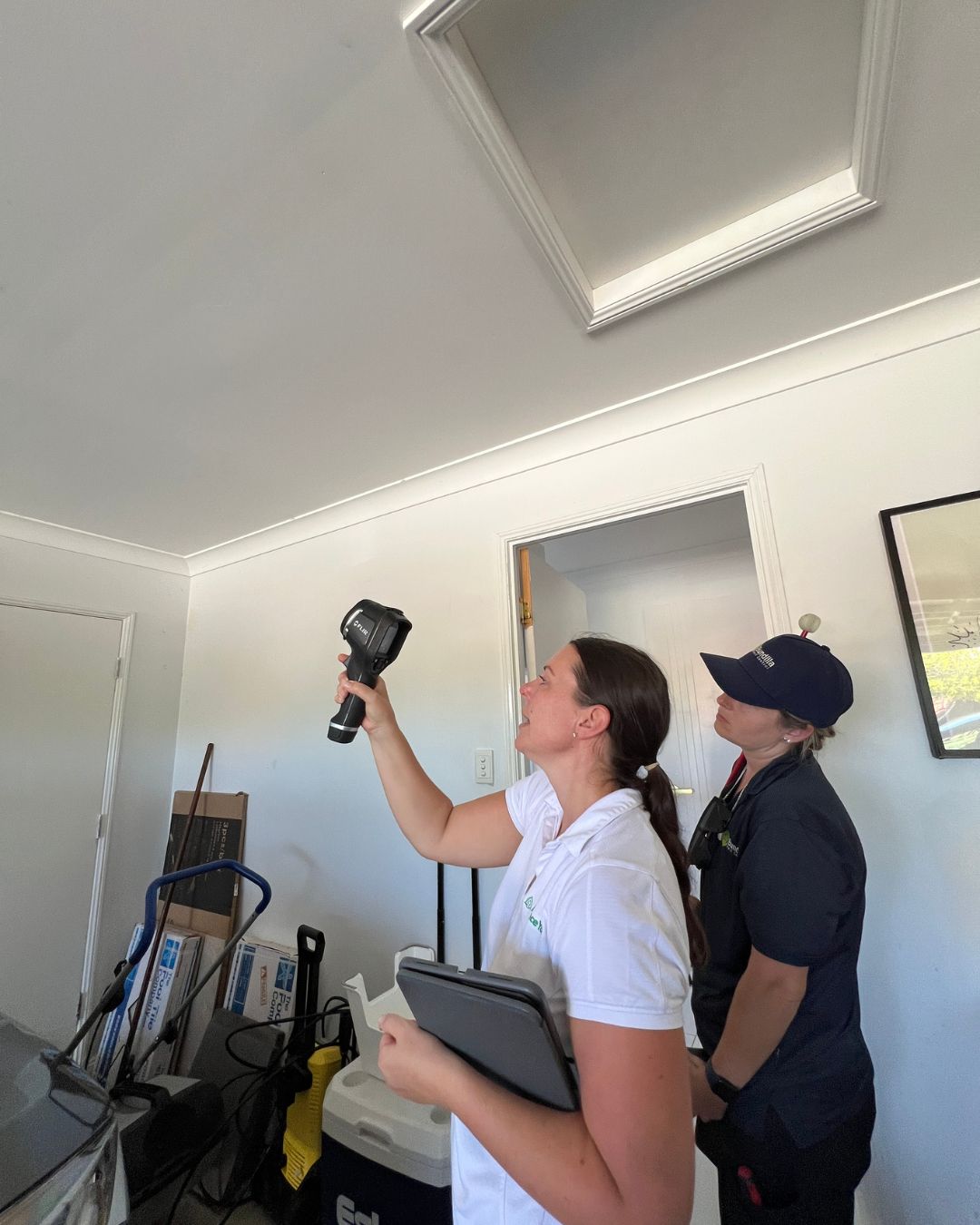
Ready to train? Start with our General Pest Course or upskill with the Timber Pest Course.
Becoming a pest controller in Australia is a regulated and rewarding career path that combines science, technical expertise, and public health responsibility. While the legal definition describes a pest control technician or manager as "a person who carries out the business of controlling, destroying or repelling pests" (Public Health and Wellbeing Act 2002), the reality of modern pest management is far more complex.
Today's pest management professionals are skilled specialists who use scientific knowledge, risk assessment, and strategic decision-making to protect people, property, and the environment. Pest control is no longer about simply applying pesticides - it's about implementing Integrated Pest Management (IPM) solutions that are effective, compliant, and environmentally responsible.
Pests impact Australia's economy, infrastructure, ecosystems, agriculture, and public health, making pest management an essential but often overlooked role. If you are new to the industry, explore our General Pest Course to compare training pathways.
What Is Considered a Pest in Australia?
Under the Public Health and Wellbeing Act 2008, a pest is defined as:
"Any animal or other biological entity (not being a human) that injuriously affects, or is likely to injuriously affect, a person, a person's property or a person's use or enjoyment of a place."
What this means, is in order to use a lethal method within an integrated pest management plan, pest managers first need to be able to inspect for, identify and understand the exact organism that is infesting a site.
Impacts of Pests
Pests can have direct and indirect consequences, including:
- Spreading disease and increasing healthcare costs
- Damaging buildings, infrastructure, and utilities
- Contaminating or destroying food supplies
- Biting, stinging, or causing allergic reactions
- Reducing property values and making buildings uninhabitable
- Threatening native flora and fauna (some pests have caused species extinction)
- Creating economic, environmental, physical and mental health burdens
- Presents additional business and household costs to prevent or control pests
What Skills and Knowledge Do Pest Controllers Need?
Modern pest management requires a balance between effective control and environmental responsibility. Pest controllers must manage risks posed by pests while ensuring that treatments do not create greater harm.
Scientific Knowledge
Scientific understanding underpins professional pest control.
- Biology & Behaviour: Understanding life cycles, breeding patterns, shelter preferences, and seasonal behaviour allows technicians to accurately identify pests and target infestations effectively.
- Ecology: Pest controllers must understand how pests interact with ecosystems, human behaviour, climate change, and urban development.
- Chemistry: Knowledge of pesticide modes of action, resistance management, environmental persistence, and registered uses is essential.
- Risk Assessment: Pest managers assess both pest risks and treatment risks to minimise harm to people, pets, wildlife, and the environment.
Technical Expertise
Pest control is not just reactive, it's investigative and strategic.
Key technical skills include:
- Conducting thorough pest inspections
- Identifying harbourage areas and entry points
- Implementing Integrated Pest Management (IPM) strategies
- Selecting chemical and non-chemical control methods
- Maintaining and calibrating application equipment
- Understanding building construction and structural vulnerabilities
This knowledge is particularly critical for termite management, rodent control, ant and cockroach infestations.
Safety and Regulatory Compliance
Pest management is a highly regulated industry in Australia.
Technicians must:
- Comply with state and territory licensing laws
- Follow chemical handling and storage regulations
- Use appropriate PPE and safety procedures
- Maintain accurate documentation of inspections, treatments, and chemical usage
- Adhere to workplace health and safety requirements
Non-compliance can result in fines, licence suspension, or prosecution.
Professional and Communication Skills
Pest controllers are also trusted advisors.
They must:
- Communicate clearly with clients
- Explain risks, findings, and treatment options
- Work respectfully in private homes and sensitive environments
- Maintain professionalism, discretion, and empathy
- Problem-solve and adapt to unpredictable situations
- Work collaboratively with teams, supervisors, and regulators
Pest Control Career Pathways in Australia
The pest management industry offers diverse career opportunities, including but not limited to:
- General pest control
- Timber pest and termite management
- Bird and wildlife management
- Stored product pest control
- Vertebrate pest management
- Team leadership and branch management
- Technical training and industry education
- Business ownership
- Government, biosecurity, and research roles
Pest Control Licensing and Training Requirements
To legally work as a pest controller in Australia, you must hold the appropriate licence to use professional-grade pesticides. Working without a licence can result in fines of up to $9,000 depending on the state or territory.
Training Requirements
All states and territories require completion of nationally recognised training through a Registered Training Organisation (RTO). Licensing requirements vary by state, but core competencies are consistent.
You can view course options and delivery details on our pest control course (General Pest) and Timber Pest Course pages.
Licensing Authorities by State and Territory
- QLD: Queensland Health – Public Health Licensing Team
- NSW: Environmental Protection Authority (EPA)
- VIC: Department of Health and Human Services
- SA: SA Health – Controlled Substances Licensing
- WA: Western Australia Health
- TAS: Department of Natural Resources and Environment Tasmania
- NT: NT Department of Health – Medicines and Poisons
- ACT: EPA ACT
Required Units of Competency
General Pest Technician Licensing
(QLD, NSW, SA, VIC, NT, TAS)
- CPPUPM3005 – Manage pests without applying pesticides
- CPPUPM3006 – Manage pests by applying pesticides
- CPPUPM3018 – Maintain equipment and pesticide storage
WA: CPP30119 Certificate III in Urban Pest Management
ACT: Company permits issued by EPA ACT
If you want a practical step-by-step breakdown of the licensing journey, read our pest control licence guide.
Timber Pest Technician Licensing
(QLD, NSW, SA, VIC, NT, TAS)
- CPPUPM3008 – Inspect for and report on timber pests
- CPPUPM3010 – Control timber pests
WA: CPP30119 - Certificate III in Urban Pest Management
ACT: Company permits issued by EPA ACT
Electives (where required):
- CPPUPM3042 – Install termite management systems (e.g. QLD QBCC requirement for installing physical termite management systems)
How to Become a Licensed Pest Controller in Australia
Becoming a pest controller requires:
- Enrolling with an RTO that has the required units of competency on scope
- Completing the required units of competency (being deemed competent by a trainer and assessor)
- Meeting state or territory licensing requirements (some states have age and mental competency restrictions)
- Applying for your pest control licence
Nationally Recognised Pest Control Training with Advance You
Advance You (RTO Code: 46378) is a specialist pest management RTO delivering nationally recognised training for general pest and timber pest licensing across most Australian states and territories (excluding WA and ACT).
Units Delivered:
- CPPUPM3005
- CPPUPM3006
- CPPUPM3018
- CPPUPM3008
- CPPUPM3010
All units contribute towards the Certificate III in Urban Pest Management.
Our training is designed by experienced pest control operators and educators, delivered through a blended, workplace-integrated model. Students complete training online with 1:1 support from a full-time trainer and assessor, whilst working in the field through their employer. This blended approach ensures company specific in-house training is streamlined with external nationally recognised training resulting in stronger real-world learning.
For pest control businesses, Advance You provides a compliant, flexible, and industry-aligned solution for training and licensing technicians in-house - without unnecessary travel or downtime. We ensure your trainee is supported from start to finish.
For more common enrolment questions, visit our FAQs or individual training pathways, including Ride & Learn if you do not have a workplace.