
General Pest Course vs Timber Pest Course: What's the Difference?
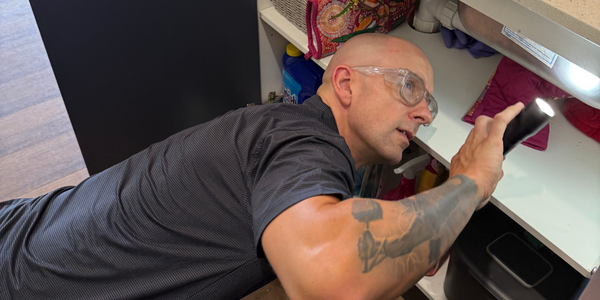
Comparing pathways? Explore our General Pest Course and Timber Pest Course.
If you're considering a career in pest management—or you're a business owner looking to train your technicians—you've probably come across both the General Pest Course and the Timber Pest Course.
While both are nationally recognised pest management qualifications, they prepare technicians for very different types of work.
In short: A General Pest Course teaches technicians how to inspect for and manage common urban pests such as cockroaches, ants, spiders and rodents. A Timber Pest Course builds on those skills by focusing on termite inspections, timber pest identification and termite management.
Understanding the difference between these courses will help you choose the right training pathway and ensure your team has the qualifications needed to deliver the services your customers expect.
What is a General Pest Course?
A General Pest Course provides the foundation for a career in pest management.
It equips technicians with the knowledge and practical skills required to inspect for, identify and manage the common pests found in residential, commercial and industrial properties.
These pests are commonly referred to as urban pests because they thrive in environments where people live and work.
Urban pests commonly include:
- Cockroaches
- Ants
- Spiders
- Rodents
- Fleas
- Silverfish
- Wasps
- Stored product pests
Throughout the course, students learn how to:
- Inspect properties for pest activity
- Correctly identify pest species
- Assess pest risks
- Recommend suitable management strategies
- Apply pesticides safely and responsibly
- Complete treatment documentation and communicate with clients
To achieve the nationally recognised competencies that support general pest licensing in most Australian states and territories, students complete:
- CPPUPM3005 – Manage pests without applying pesticides
- CPPUPM3006 – Manage pests by applying pesticides
- CPPUPM3018 – Maintain equipment and pesticide storage area in pest management vehicles
It's important to understand that CPPUPM3006 only covers non-timber pests. Completing a General Pest Course does not qualify a technician to inspect for or manage termites and other timber pests.
What is a Timber Pest Course?
A Timber Pest Course is designed for technicians who want to specialise in termite inspections and timber pest management.
Rather than focusing on everyday household pests, this course develops the specialist skills required to inspect buildings for timber pests, assess damage and carry out appropriate termite management strategies.
While termites are the best-known timber pest, technicians may also encounter:
- Timber-boring beetles
- Wood decay fungi
- Other timber-destroying organisms
Students complete two nationally recognised units of competency:
- CPPUPM3008 – Inspect for and report on timber pests
- CPPUPM3010 – Control timber pests
These units develop the practical skills required to:
- Conduct professional timber pest inspections
- Identify termite activity
- Assess structural risks
- Prepare compliant inspection reports
- Recommend suitable treatment options
- Carry out timber pest management safely and effectively
Because every property presents different construction methods, environmental conditions and termite risks, technicians gain valuable real-world experience through multiple workplace assessments.
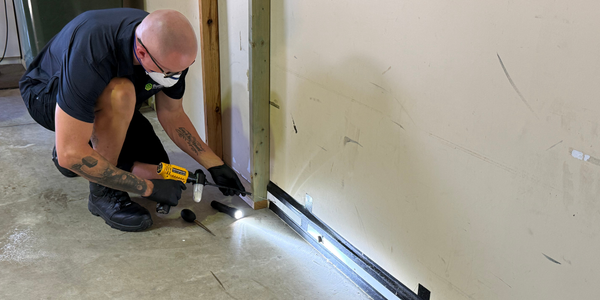
General Pest Course vs Timber Pest Course: Key Differences
Although both courses fall under the pest management industry, they prepare technicians for very different responsibilities.
| General Pest Course | Timber Pest Course |
|---|---|
| Focuses on urban pests | Focuses on termites and timber pests |
| Covers ants, cockroaches, spiders and rodents | Covers termites, timber borers and wood decay fungi |
| Suitable for general pest treatments | Specialises in termite inspections and timber pest management |
| Includes CPPUPM3005, CPPUPM3006 and CPPUPM3018 | Includes CPPUPM3008 and CPPUPM3010 |
| Practical assessments across 10 different pest management sites | Practical assessments requiring 10 timber pest inspections and 10 timber pest treatments |
| Foundation qualification for pest management | Specialist qualification completed after General Pest training |
Practical Training: How the Courses Differ
General Pest Course
At Advance You, students complete practical workplace assessments across 10 different premises.
At each site they demonstrate their ability to:
- Inspect for pest activity
- Identify the pest species
- Develop an effective pest management plan
- Safely carry out treatments
- Communicate professionally with customers
- Complete all required documentation
Working across multiple properties exposes students to different pest problems, treatment methods and customer situations, helping build confidence before entering the industry.
Timber Pest Course
Timber pest management requires a much higher level of inspection and reporting.
Students completing the Timber Pest Course must successfully undertake:
- 10 timber pest inspections
- 10 timber pest control treatments
These practical assessments develop competency in:
- Inspecting buildings for termite activity
- Identifying timber pests
- Assessing structural damage
- Preparing professional inspection reports
- Recommending suitable management strategies
- Carrying out termite treatments safely
Because no two buildings are identical, completing inspections across multiple properties helps students develop the practical skills required to confidently perform timber pest work in the field.
Why Add a Timber Pest Qualification?
For many technicians, completing a General Pest Course is only the first step in their career.
Adding Timber Pest competencies allows you to:
- Expand the services you can legally provide
- Increase your value to employers
- Develop specialist termite inspection and reporting skills
- Offer customers a more complete pest management service
- Create additional revenue opportunities for your business
For pest management businesses, having technicians qualified in both general pest and timber pest management means you can provide a broader range of services without referring work elsewhere.
Which Course Should You Complete First?
For most technicians, the recommended pathway is straightforward.
Start by completing a General Pest Course, which provides the foundation knowledge and nationally recognised competencies required for urban pest management.
Once those competencies have been achieved, technicians can progress into a Timber Pest Course to develop specialist knowledge in termite inspections and timber pest management.
This reflects the pathway followed by most pest management professionals across Australia, building core skills before specialising in timber pest work. For the full licensing picture, see our guide on how to get a pest control licence in Australia.
Frequently Asked Questions
Build Your Pest Management Career with Advance You
At Advance You, we believe practical experience is just as important as theoretical knowledge.
That's why our General Pest Course and Timber Pest Course combine flexible online learning with structured workplace assessments that reflect the real work pest technicians perform every day.
Designed by experienced pest management professionals for the Australian pest management industry, our blended training model helps students develop genuine workplace competency while continuing to learn on the job.
Whether you're beginning your career with a General Pest Course or expanding your expertise through Timber Pest training, Advance You provides the practical skills and nationally recognised qualifications to help you succeed.