
Conditions Conducive to Timber Pest Activity: What Technicians Need to Look For
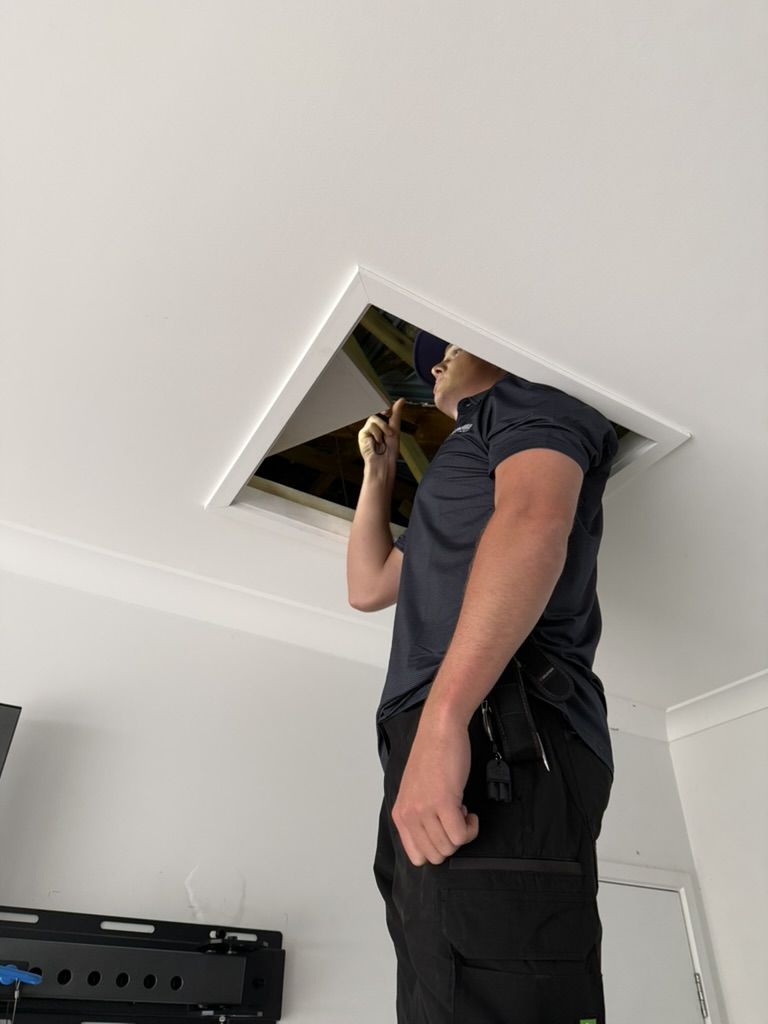
Learning to find and report conducive conditions is part of our Timber Pest Course.
A dripping tap. A garden bed piled against the wall. A few leftover timber offcuts tucked under the house. They might look like ordinary maintenance jobs, but to a timber pest technician, they can set off alarm bells. Why are these everyday conditions such a problem? Well if you are a subterranean termite, you suddenly have food, moisture and a concealed access to begin a family.
We call them conditions conducive to timber pest activity. For technicians, identifying and explaining them is an essential part of an inspection. For property owners, understanding them provides a practical starting point for protecting a home or business.
The good news? Many are things you can do something about.
First, a risk factor isn't an infestation
Finding damp soil beside a building doesn't mean termites are present. Neither does finding mulch in a garden. A conducive condition tells us that something about the property may favour timber pest activity or help it go unnoticed. Evidence is still needed to establish whether pests are present. That distinction matters. Technicians should explain the risk clearly, and customers should understand what needs attention without being left thinking every garden bed is a termite emergency. No one likes an alarmist.
Where the Australian Standards fit
Two Australian Standards help guide this work:
- AS 4349.3—2010, Timber pest inspections, covers timber pest inspection and reporting, including pre-purchase inspections. It addresses conducive conditions, inspection limitations, findings and recommendations.
- AS 3660.2:2017, Termite management—In and around existing buildings and structures, addresses subterranean termite management, including conditions that increase risk and measures to reduce it.
Together, they reinforce an important part of professional practice: look for the conditions that matter, explain their significance and give the client useful recommendations. So, what should we be looking for?
1. Moisture where it shouldn't be
That slow leak can have a long reach. Leaking taps, showers, pipes, roofs, gutters and downpipes can keep soil and building materials damp. Persistent moisture can support subterranean termite activity and create conditions suitable for wood decay fungi.
Technicians also look for water pooling beneath a house, garden beds holding moisture against walls and ground levels directing water towards the building. Water doesn't just attract timber pests, it can slowly erode the concrete foundations and brick walls leading to cracks and concealed entry points. All this happens underground, out of sight. But inspectors can identify this risk and put measures in place to prevent worst case scenario. Think of it as a health check for a home or workplace.
For technicians
Record where the moisture occurs, the evidence supporting your finding and any visible source. Recommend the appropriate investigation or repair without guessing at a cause you haven't established.
For customers
A small leak deserves attention. Fixing it may help reduce timber pest risk as well as prevent further water damage. An elevated moisture reading is a clue, not a diagnosis. It needs to be interpreted alongside the other inspection findings.
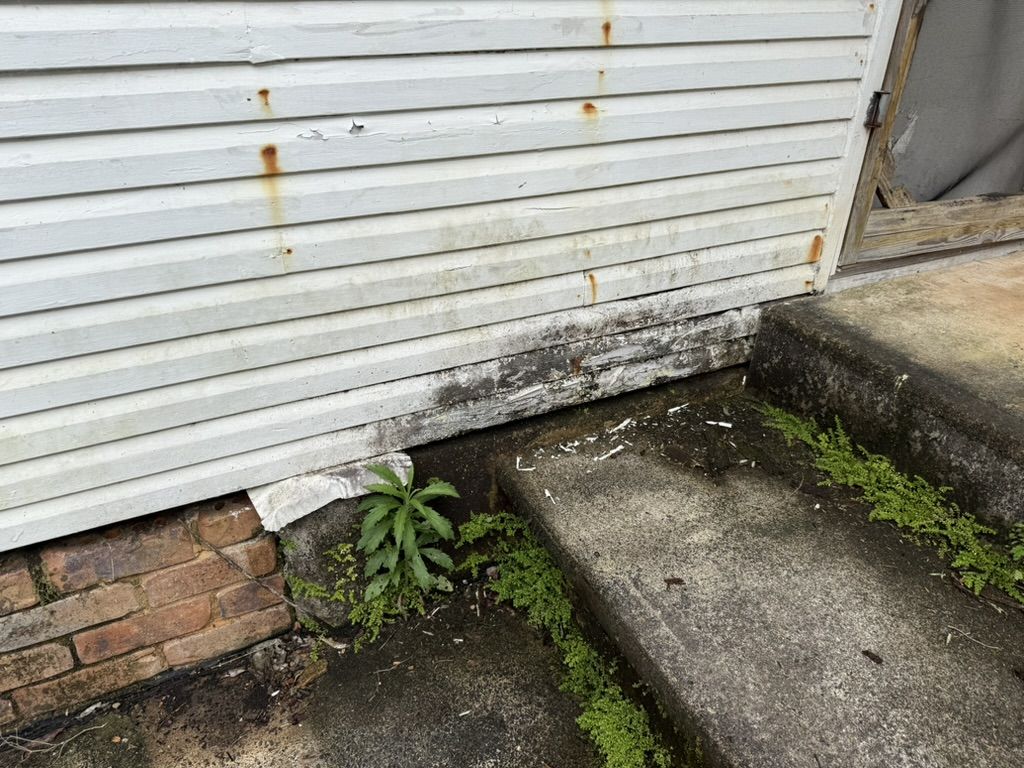
2. Poor drainage: a subfloor that can't dry out
The space beneath a raised home needs effective drainage and ventilation.
Blocked vents, dense vegetation, stored goods and poorly positioned ductwork can restrict airflow. When damp air becomes trapped, the subfloor may stay humid and timbers can struggle to dry.
For technicians
Check for blocked ventilation openings, areas with restricted airflow and signs of persistent dampness. Explain what is contributing to the problem and recommend appropriate correction.
For customers
Keep vents clear and avoid filling the subfloor with storage. If it is persistently wet or humid, seek advice about the cause rather than assuming extra ventilation alone will solve it.
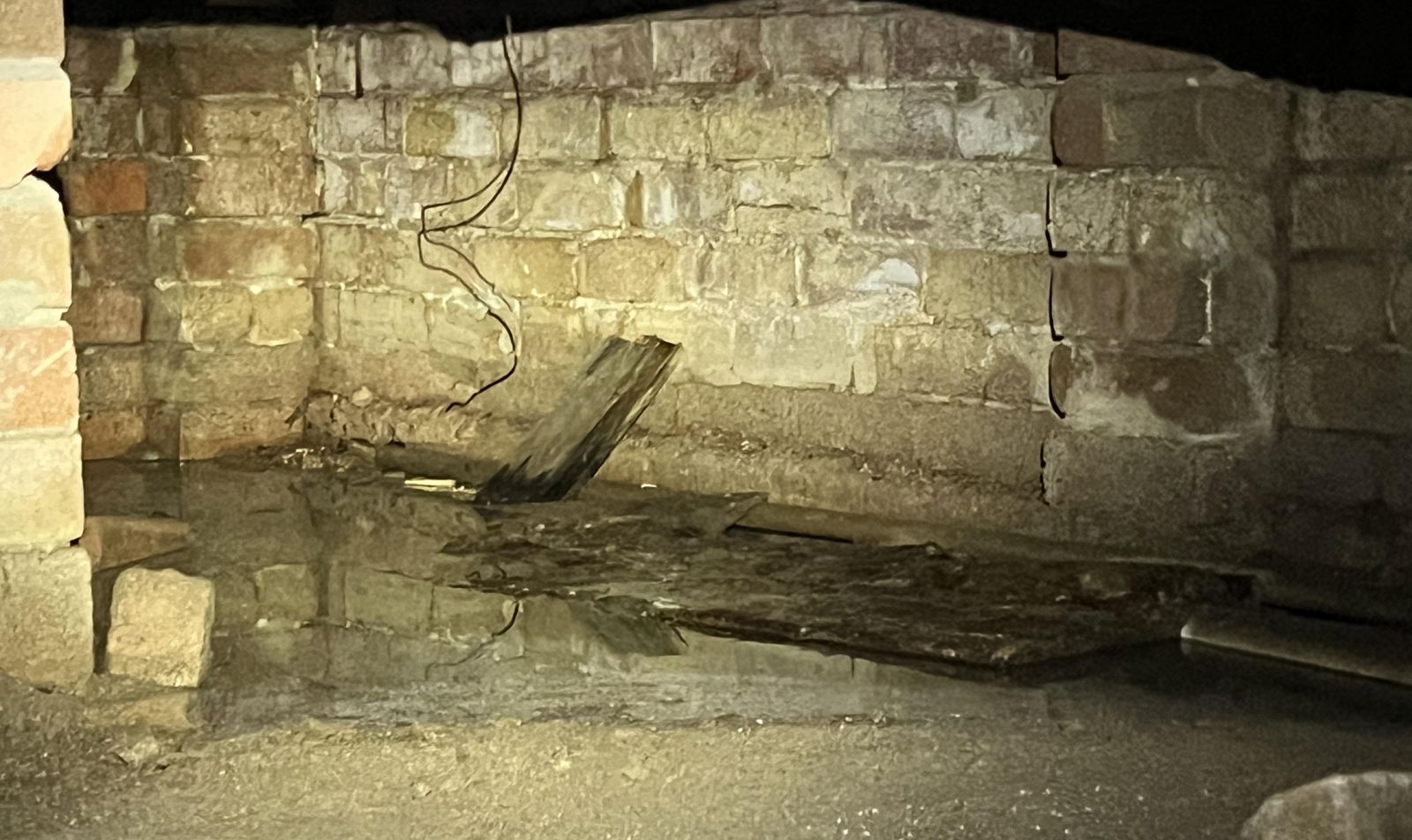
3. Timber with a direct connection to the ground
A timber post disappearing into soil deserves a closer look. Susceptible timber in contact with soil can offer subterranean termites a concealed route into a structure. Contact with damp soil or masonry may also promote decay where the timber is unsuitable for that exposure.
For technicians
Identify timber in construction that is vulnerable. Explain how subterranean termites can take advantage of this timber as both an access point and for food.
For customers
Pay attention to posts, steps, fences and other timber elements touching the building. Their condition and connection to the house can matter just as much as the timber inside.
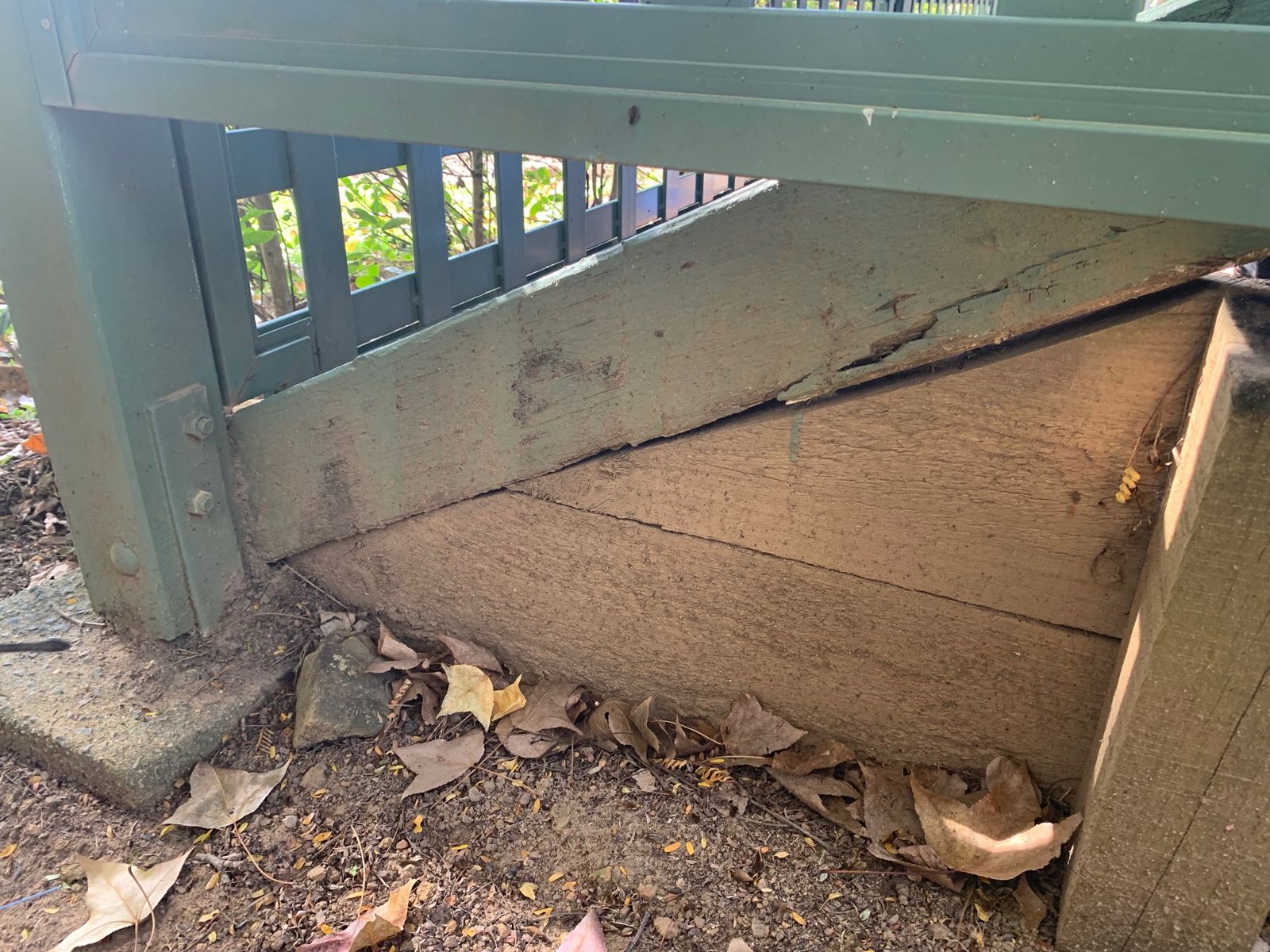
4. Garden beds hiding the building's inspection zones
Gardens can look beautiful while quietly covering something a technician needs to see. Raised soil, mulch, paving and landscaping can conceal slab edges and other inspection zones. They may also bridge parts of a termite management system, allowing entry to occur out of sight.
For technicians
Identify exactly where the inspection zone is concealed and recommend restoring the visibility required for that building and its installed system. There is no point having protection and rendering it useless. You wouldn't punch a hole in a life raft when sharks are circling!!!
For customers
Before raising garden beds or laying new paving against a wall, check how the work may affect termite inspection and management. There is no single clearance measurement that suits every building. The recommendation needs to match the construction and system involved.
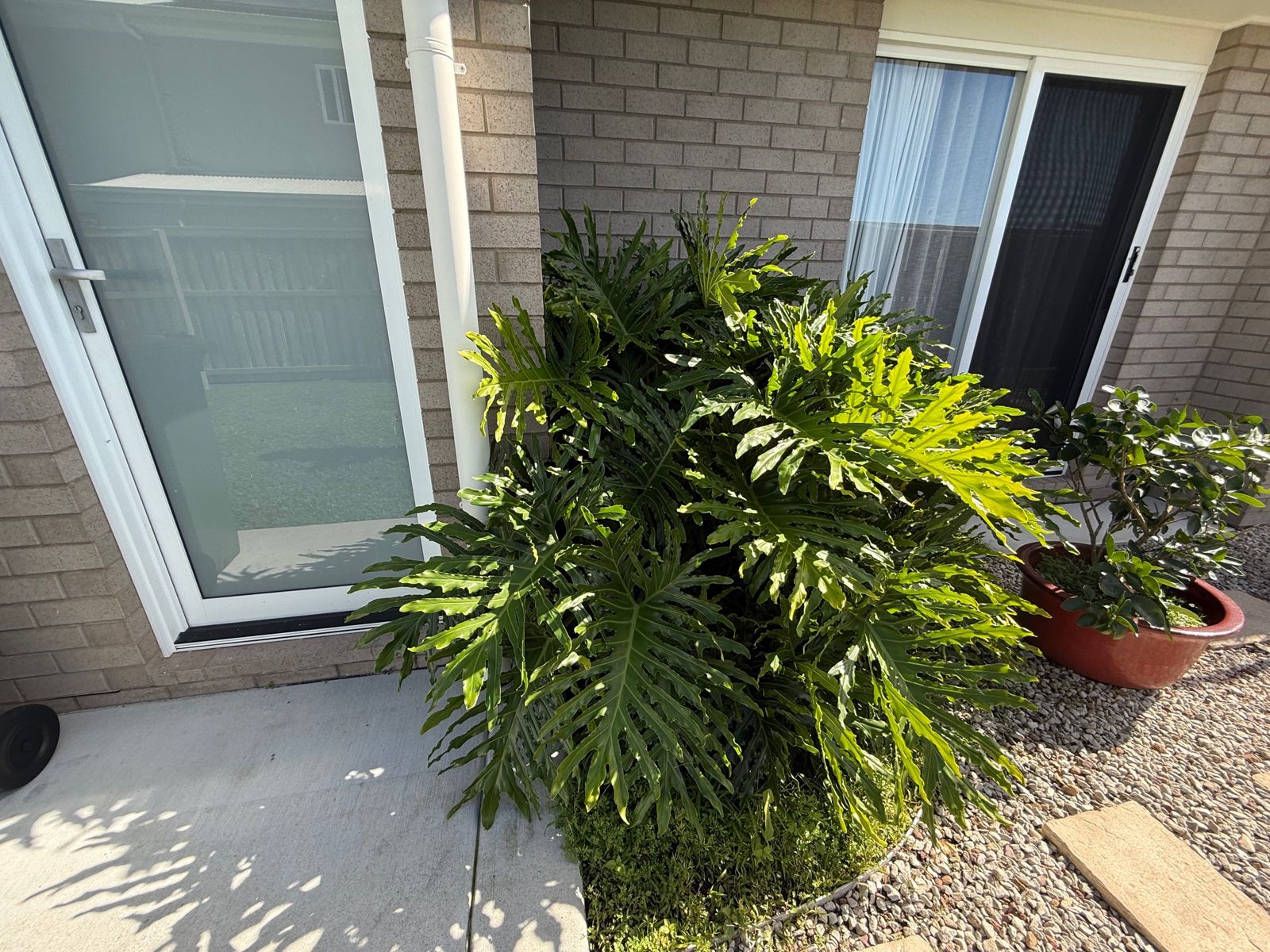
5. Weep holes disappearing behind mulch or soil
Those small openings in masonry walls have a purpose. Covering them can interfere with drainage and conceal possible termite entry points. Plants, mulch and soil can make it difficult to see what is happening around them.
For technicians
Report the affected locations and explain both the visibility issue and the associated risk. Look for mud leads entering weep holes.
For customers
Keep weep holes unobstructed. If they appear blocked or you are unsure about their purpose, get advice before altering them or installing anything inside them.
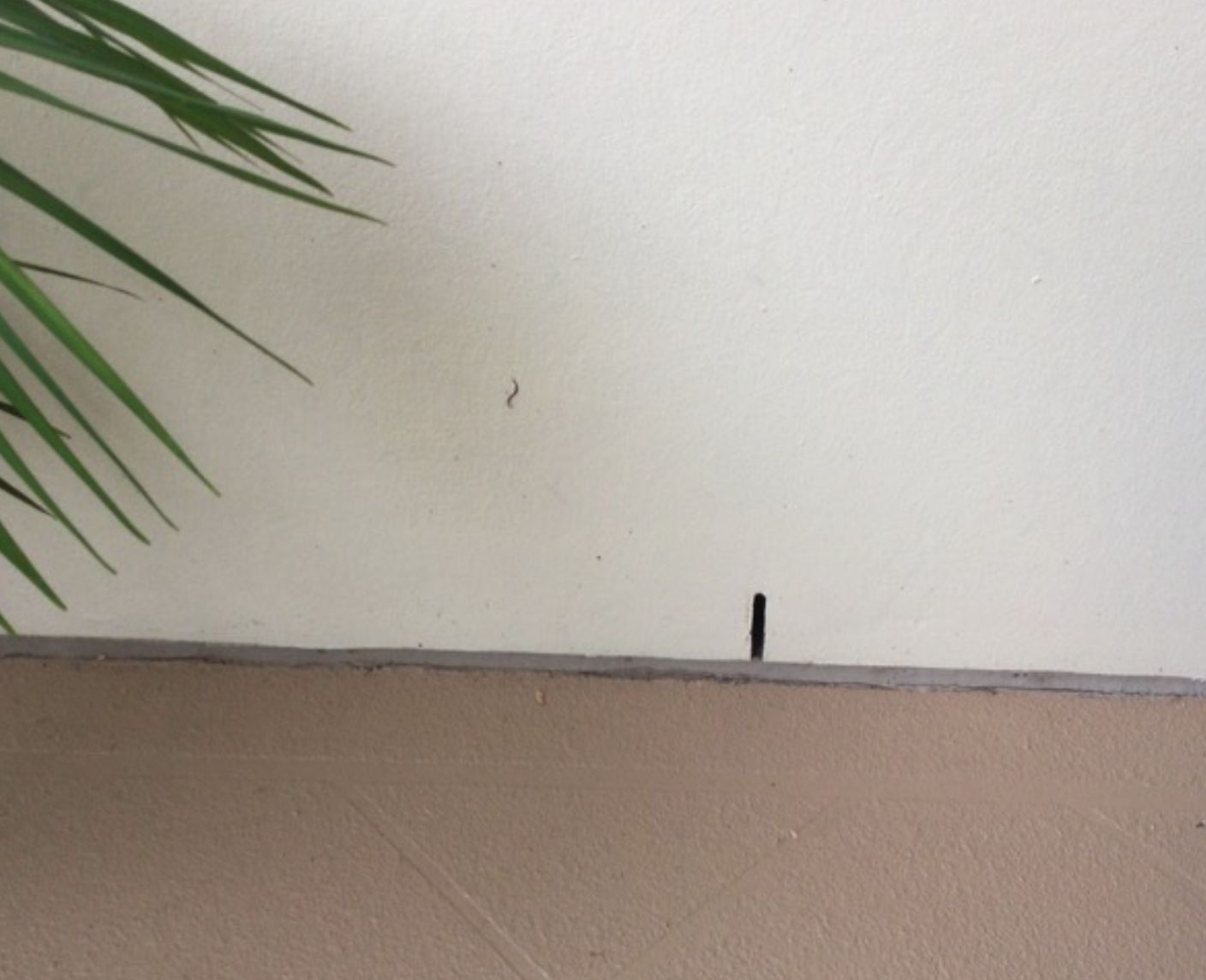
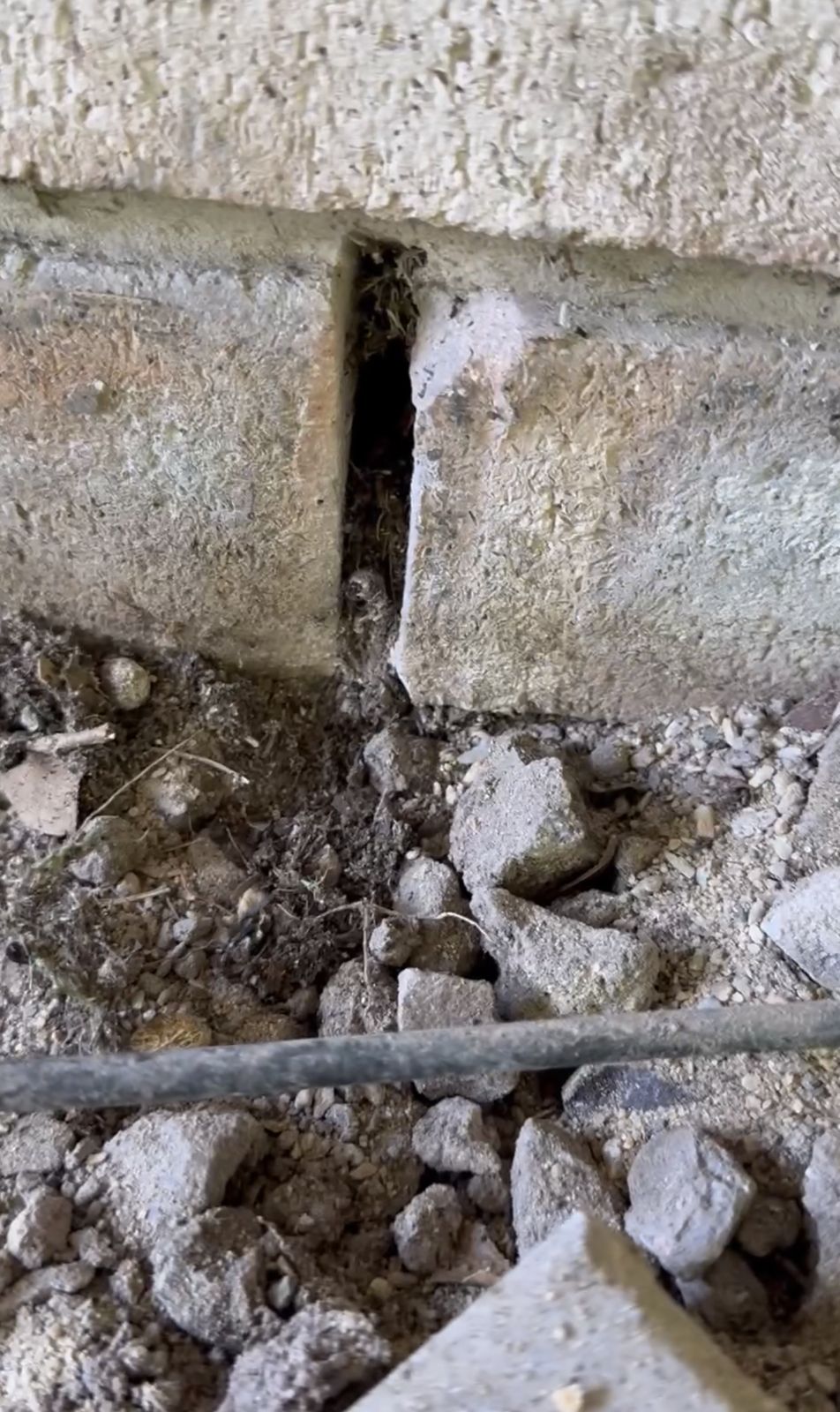
6. Vegetation growing a little too close for comfort
A leafy garden doesn't automatically mean a termite problem. Its position and effect on the building are what count. Dense vegetation against walls can restrict airflow, retain moisture and hide inspection zones. Roots may also interfere with termite management components and the foundation's integrity. Irrigation can add to the problem when it repeatedly wets the building perimeter.
For technicians
Describe the actual risk at the site. “Vegetation present” is much less useful than explaining which plants obscure an inspection zone or contribute to dampness.
For customers
Keep important inspection areas visible and check where irrigation water lands. Vegetation management should also account for any conservation or heritage restrictions.
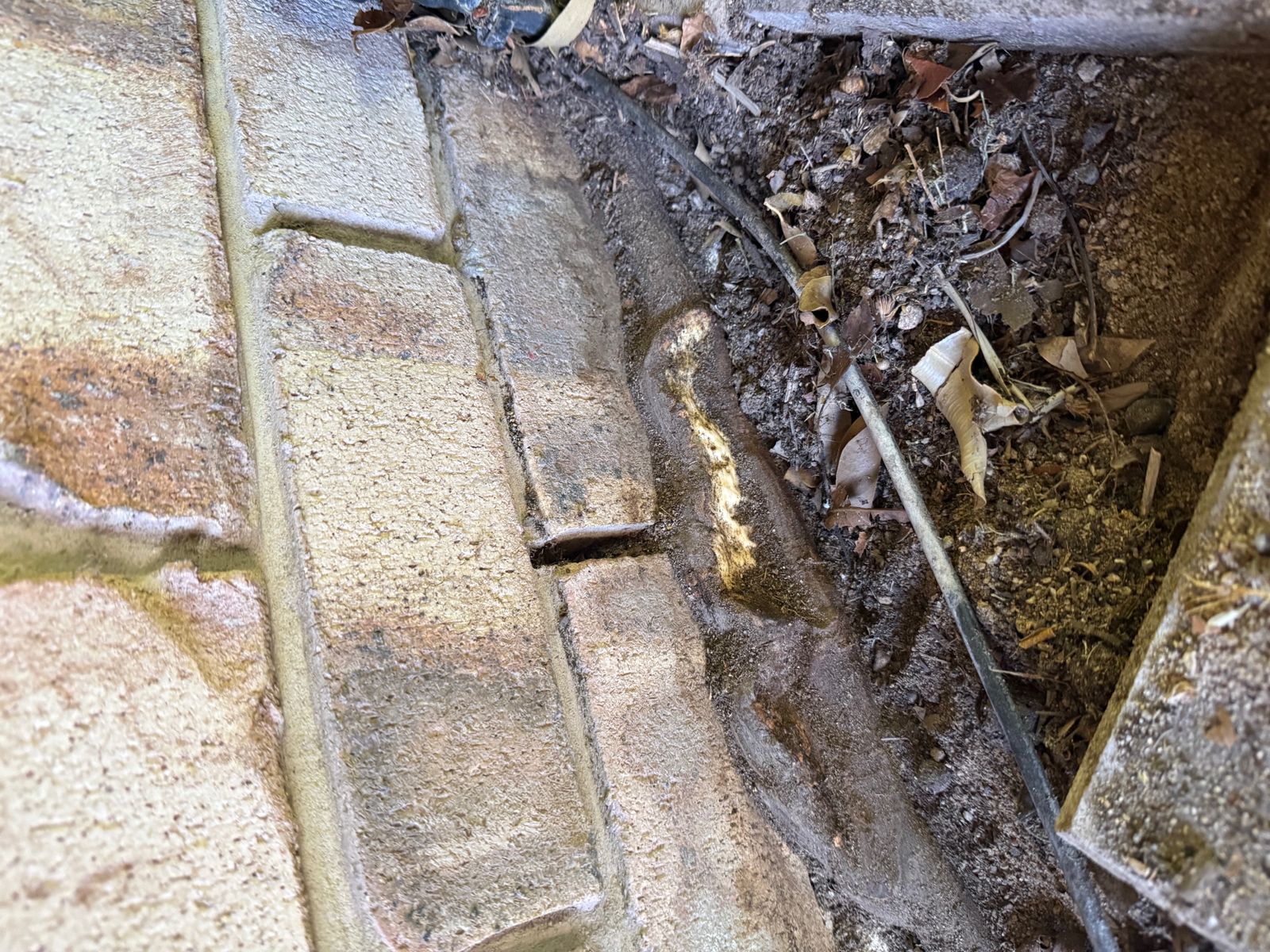
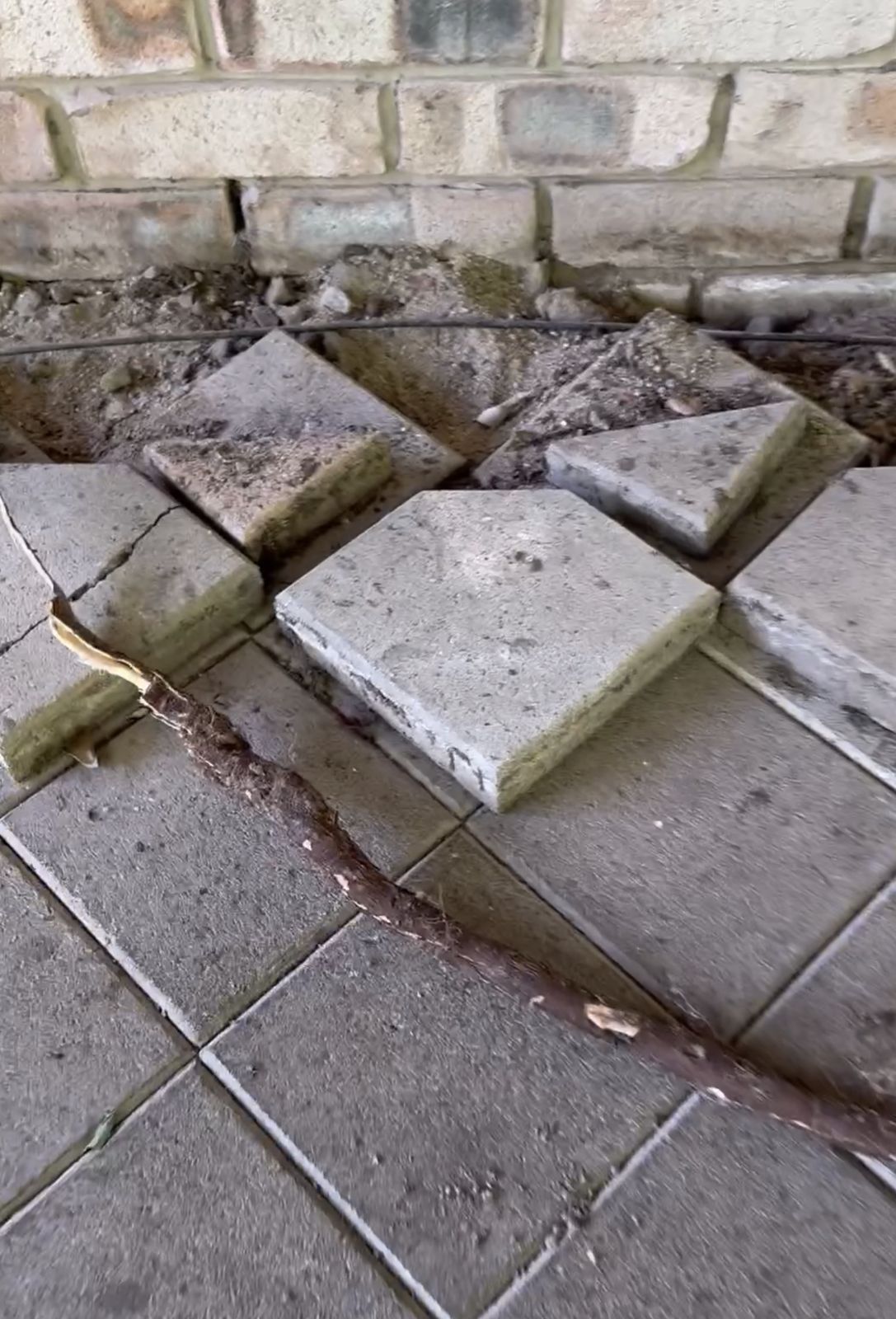
7. The timber pile saved for “one day”
We all know the pile: leftover decking, a few offcuts and something that might come in handy later. The thought of parting with them just makes you think “you will regret that later”. But the truth is, you're more likely to regret storing them.
Timber, firewood, cardboard and other cellulose materials stored beneath or beside buildings can provide food, conceal activity and obstruct inspection. Under a house, they may also interfere with ventilation. Nearby susceptible stumps, buried timber and landscaping timbers can contribute to termite risk too.
For technicians
Explain why the material's location matters and recommend removal or a more suitable storage arrangement. Keep stored timber away from the house, subfloor and other constructed items.
For customers
Keep stored materials away from the building where practicable, store firewood off the ground and preserve clear inspection access. The subfloor is a particularly poor place for a “one day DIY project”.
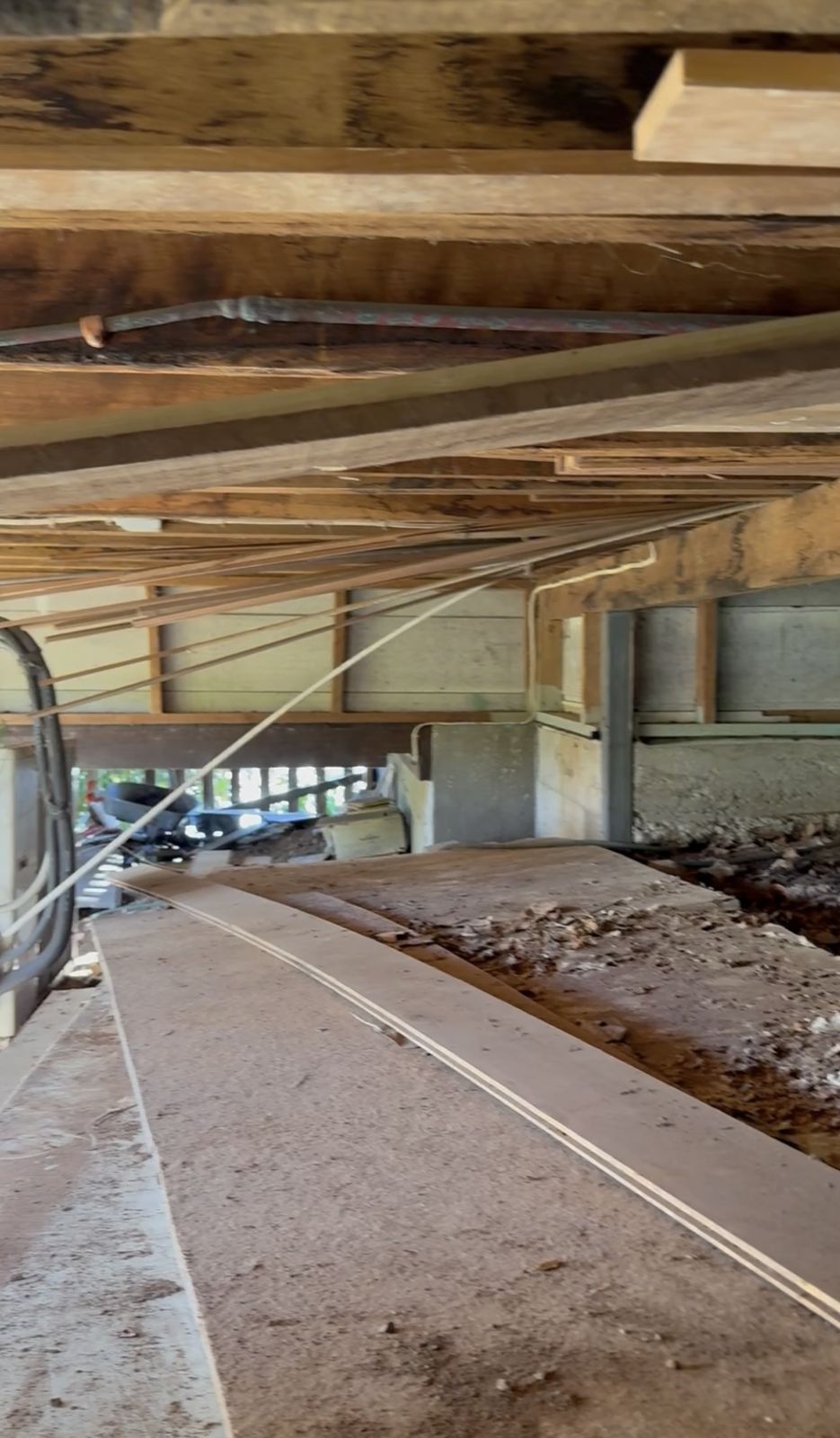
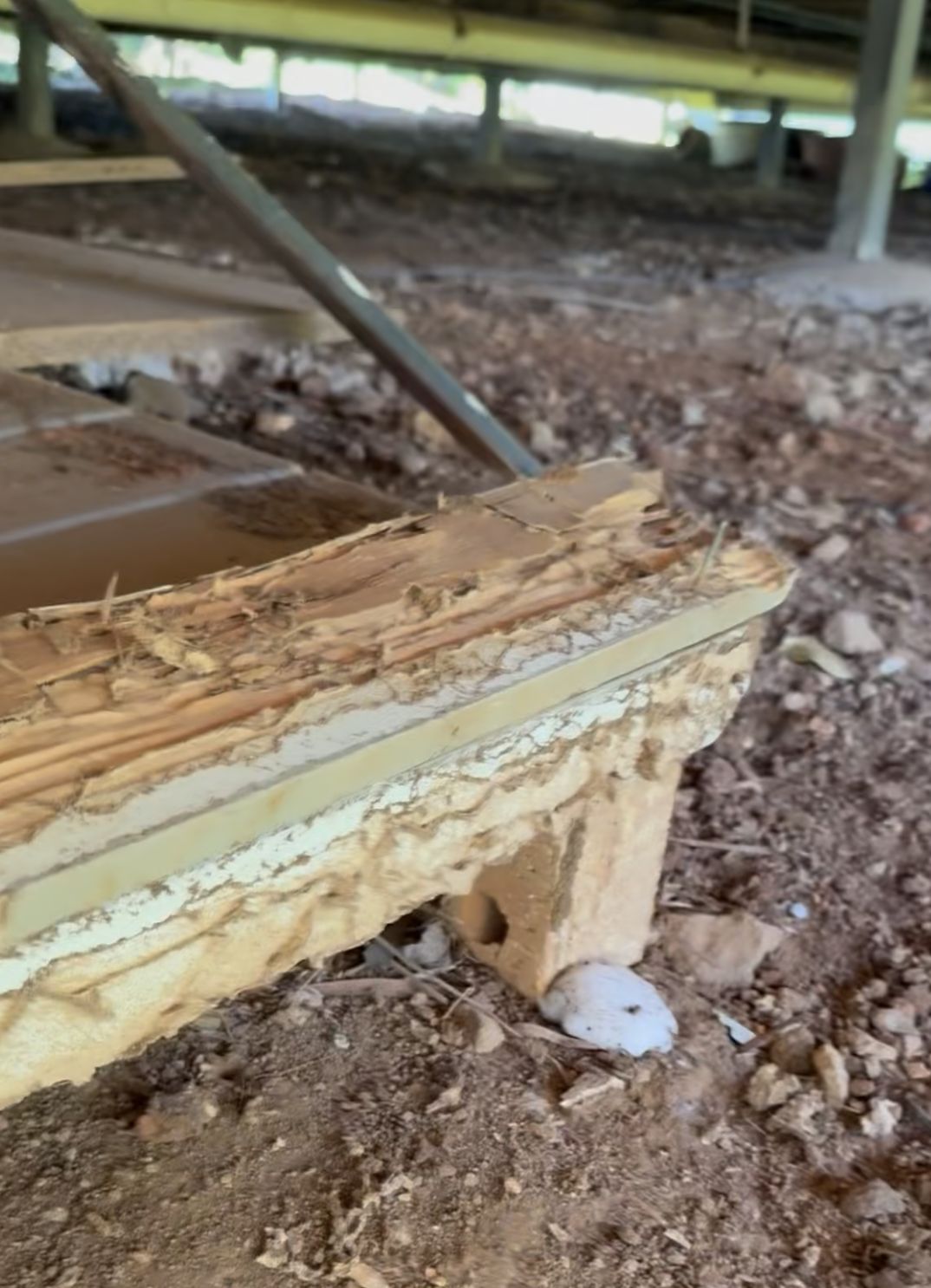
8. Additions that create concealed entry paths
A new deck, access ramp, set of steps or service installation can change how a building is inspected and protected. Attachments may conceal important junctions or create a route around existing termite management provisions. Landscaping, excavation and new plumbing can also disturb components already in place.
For technicians
Look for observable changes, bridging, damage and concealed junctions. Recommend further assessment where the adequacy of the management provisions cannot be established.
For customers
Include termite management in renovation planning. It is easier to consider inspection access before a new structure covers it. Consult the professionals to get advice. There's nothing worse than spending thousands to realise you have made your life's investment vulnerable to termite attack.
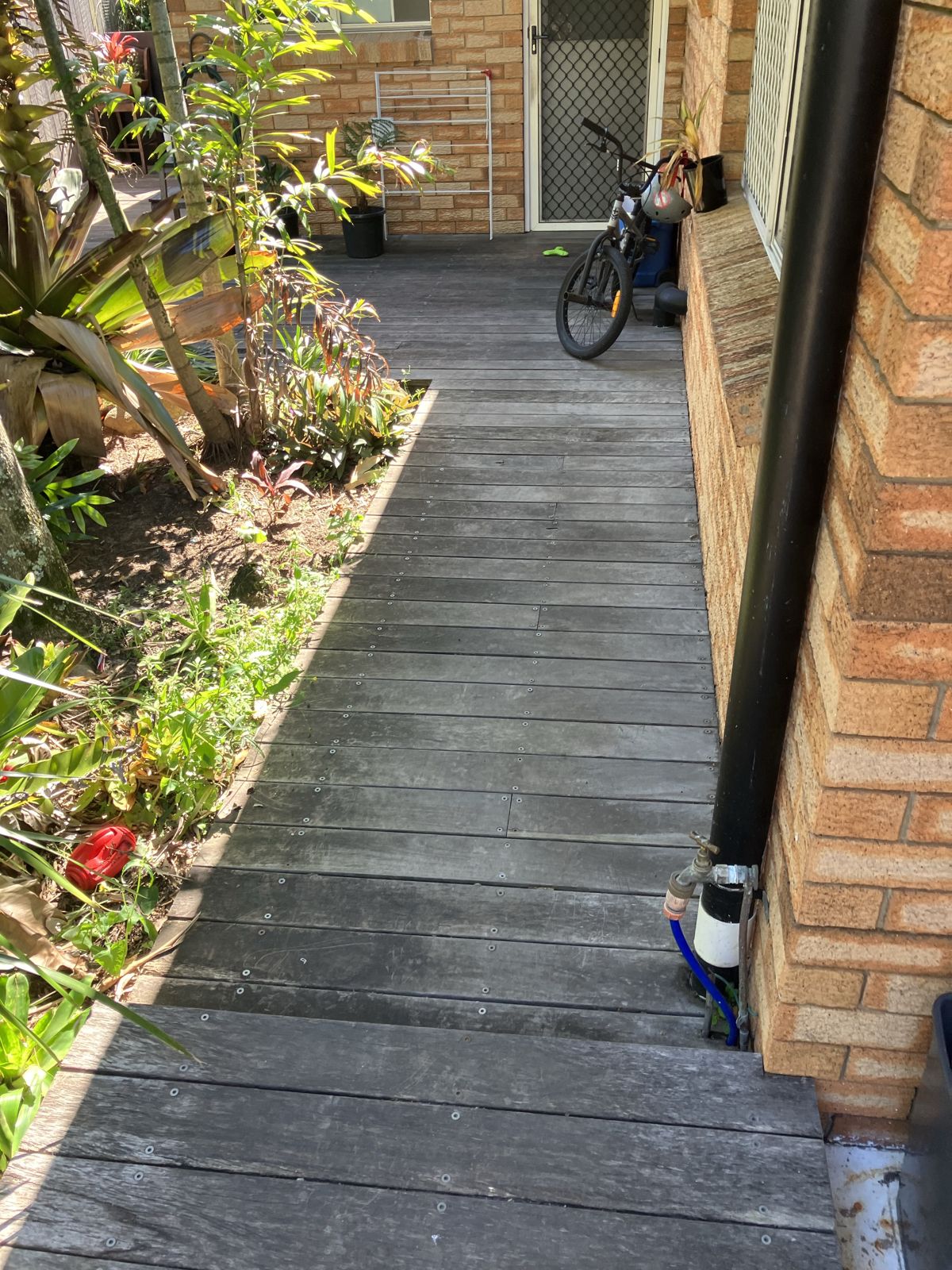
9. Timber that suits a particular borer
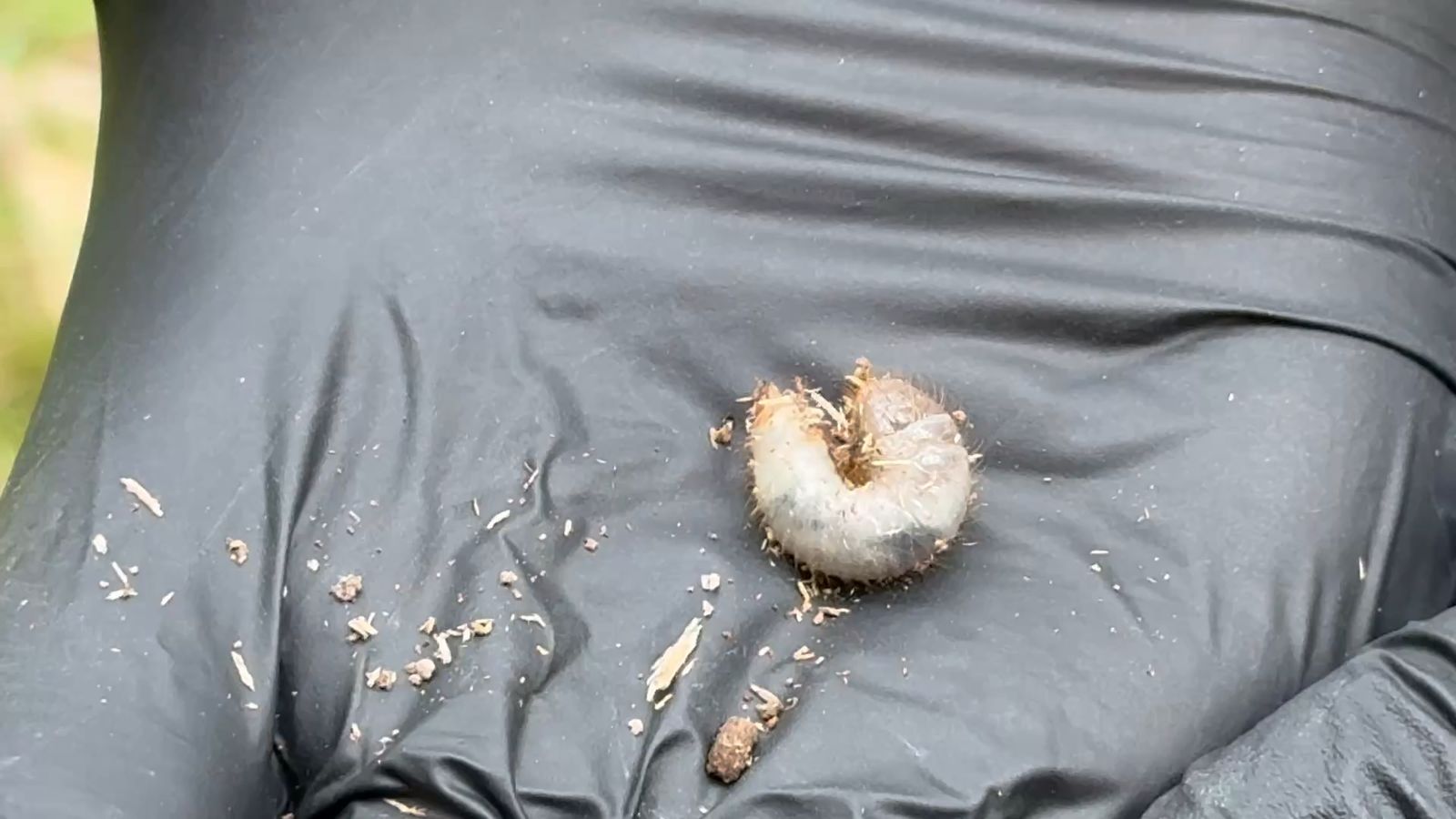
Borer risk needs a little more detective work. Different borers have different timber preferences. For example, Lyctus borers attack susceptible hardwood sapwood, while some other borers favour softwoods and cooler, humid conditions. Pine is particularly delicious to pine beetle and can do some very expensive damage, with no treatment options other than to replace all the material and start again. Fumigation costs these days can exceed $100,000 and there is no guarantee that the infestation may not re-infest.
For technicians
Connect your advice to the likely pest, timber type and evidence. Avoid assuming that every borer problem is caused by dampness or its life cycle has ended. Remember there are borer species that attack seasoned timber.
For customers
Old holes alone do not establish that insects are still active. Ask your technician what the evidence indicates and whether identification, monitoring or further investigation is appropriate.
10. “I couldn't inspect it” is an important finding too
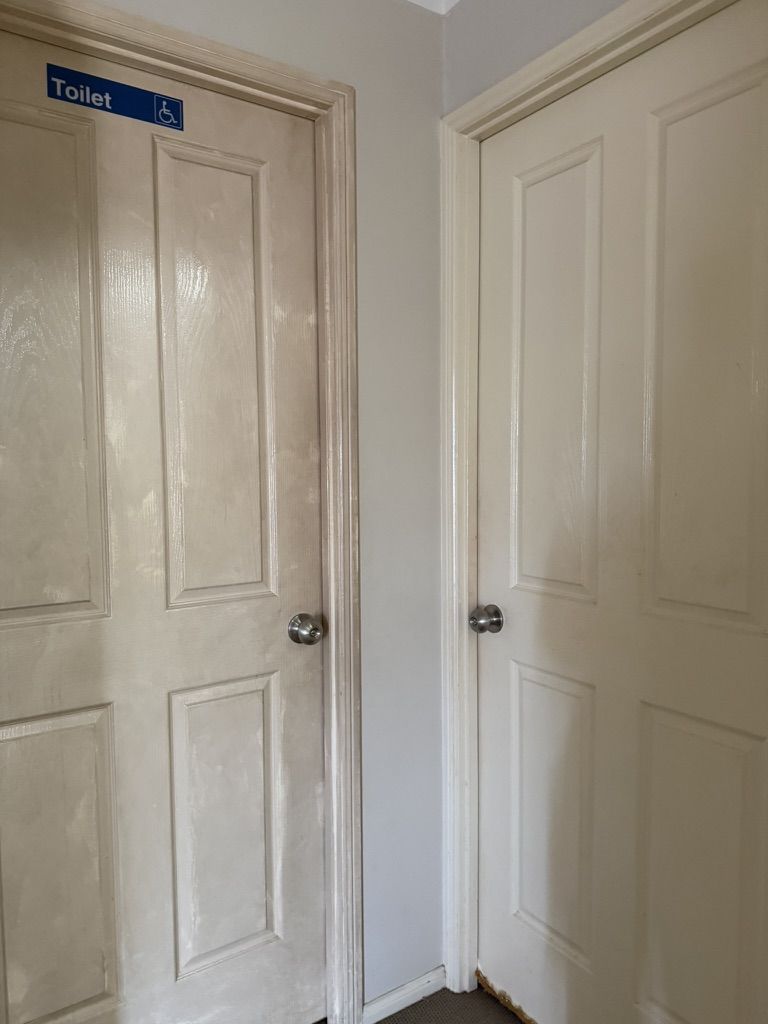
Furniture, stored goods, insulation, locked rooms and enclosed spaces can limit what a technician can inspect. These are inspection limitations. They do not necessarily encourage pests, but they can prevent activity, damage or conducive conditions from being detected.
For technicians
The report should identify what could not be inspected, why it was inaccessible and whether further inspection is recommended. An area that wasn't inspected cannot be given the all-clear.
For customers
Clearing access before an inspection can make a real difference.
Why put all this in the report?
Because a customer needs to know what to do next. “Conducive conditions noted” doesn't explain much. A useful finding answers four questions:
- What did we find?
- Where did we find it?
- Why does it matter?
- What should happen next?
For example:
Soil and mulch conceal the slab-edge inspection zone along the eastern wall. This restricts inspection for termite entry and may permit concealed access. Recommend removing the soil and mulch covering the inspection zone to allow a 75mm gap between it and the finished ground level.
That gives the customer something they can understand and act on. A thorough inspection may find no live timber pests and still identify valuable opportunities to reduce risk. Repairing leaks, improving drainage, clearing inspection zones and changing storage habits can all form part of a sensible management approach.
For technicians, the job is to make the risk understandable. For customers, it is to turn that understanding into practical maintenance—and keep up the inspections recommended for the property.