
Is Pest Control Dangerous? What You Need to Know Before Starting a Career
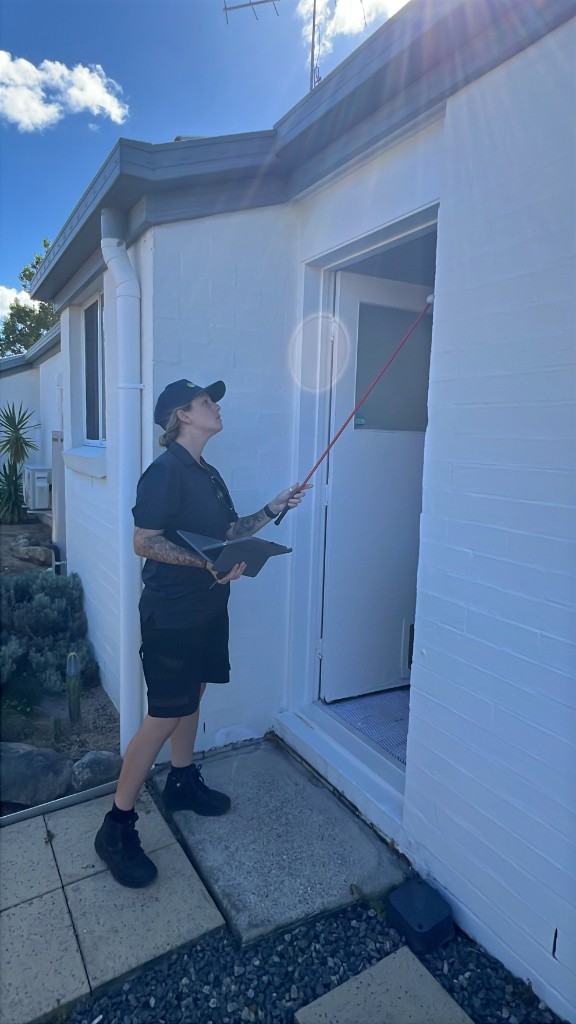
Training reduces risk. Start with our General Pest Course for nationally recognised, workplace-integrated training.
Is Pest Control Dangerous?
Pest control is often misunderstood. A common question people ask is: “Is pest control dangerous?”
The reality is more balanced than most expect.
Pest control involves working with chemicals and challenging environments, so yes—there are risks. But in Australia, it is a highly regulated and controlled trade, and when proper training and systems are followed, those risks are managed effectively.
In other words, pest control isn't dangerous by default. It becomes dangerous only when safety systems and training programs are inadequate.
What Are the Real Risks of Pest Control Work?
Pest control technicians work with products designed to disrupt biological systems in pests. Because of this, technicians may become exposed to chemicals through skin contact, inhalation, or accidental ingestion if controls and safety systems are not followed.
If exposure occurs, short-term consequences are local irritation, headaches, or nausea. Over time, repeated unsafe exposure could contribute to more serious health conditions, including respiratory, reproductive, or neurological issues.
This is why every product used in Australia comes with strict label instructions and Safety Data Sheets (SDS). They clearly outline how to use chemicals safely and what precautions must be followed.
It's Not Just About Chemicals
One of the biggest misconceptions about pest control is that it's only about spraying chemicals.
In reality, technicians regularly work in environments that require awareness and skill—such as roof voids, subfloors, and outdoor areas exposed to extreme heat. There can also be biological hazards, including waste or contaminated areas, and occasionally interactions with wildlife.
This is what makes pest control a technical, decision-based trade, rather than a simple labour job.
How Safe Is Pest Control in Australia?
Pest control in Australia operates within a structured safety framework.
Chemicals are tightly regulated, and technicians must follow approved label instructions. Depending on the state and type of work, licensing or certification may also be required. For higher-risk chemicals, additional compliance and health monitoring requirements ensure health-related risk is kept to a minimum.
All of this creates a system where risks are not only identified—but actively controlled before work begins.
How Pest Control Risks Are Controlled
Safety in pest control doesn't rely on one single measure; it follows a layered approach.
Every job starts with a risk assessment, where technicians evaluate the environment, identify hazards, and determine the safest way to proceed. From there, controls are applied in order of effectiveness: eliminating risks where possible, using safer alternatives, and implementing procedures that reduce exposure.
Protective equipment like gloves and respirators is still important, but it's the final layer, not the first.
This structured approach ensures that safety is built into every step of the job, not added as an afterthought.
The Real Difference: Training
If there's one factor that determines whether pest control is safe, it's training.
When training is rushed or purely theoretical, technicians are more likely to misuse chemicals, skip steps, or overlook hazards. That's when incidents happen.
But when training is done properly, everything changes. Technicians understand not just what to do, but why they're doing it. They can assess risks, adapt to different environments, and apply safety systems consistently under pressure.
That's the difference between someone who follows instructions and someone who works safely and professionally.
What Proper Pest Control Training Looks Like
High-quality pest control training focuses on real capability, not just certification.
It teaches technicians how to interpret product labels, assess and inspect job sites before starting, and apply integrated pest management strategies in real environments in response to real pest infestations. More importantly, it builds independent decision-making skills so technicians can respond to situations in a range of different contexts.
This is why modern training in Australia is shifting toward practical, real-world learning, supported by supervision and ongoing feedback.
Why This Matters for Your Career
Pest control is a growing industry in Australia, offering strong job security and clear pathways for progression.
But it's not suited to people looking for shortcuts.
It's a career for those who take responsibility seriously, pay attention to detail, and want to build a respected trade. When approached the right way, it offers stable work, hands-on experience, and the opportunity to protect homes, businesses, and the environment.
Is Pest Control a Good Career Choice?
For many people, the answer is yes.
With the right training, pest control can be a safe, reliable, and rewarding career. The key is starting with a strong foundation: learning how to work safely from day one, rather than figuring it out in the field.
Start With the Right Training
If you're considering a career in pest control, your first step should be choosing training that reflects real job conditions, not just theory.
At Advance You, training is designed to prepare you for the realities of the industry, with a focus on practical skills, safety systems, and real-world application.
- Explore our General Pest Course
- Learn how to get qualified in your state
- Speak to our team about starting your career
Final Verdict
Pest control is not risk-free but it is a professional, controlled, and safe industry when done correctly.
The difference isn't the job itself. It's how well people are trained to do it.