
How long is pest control training?
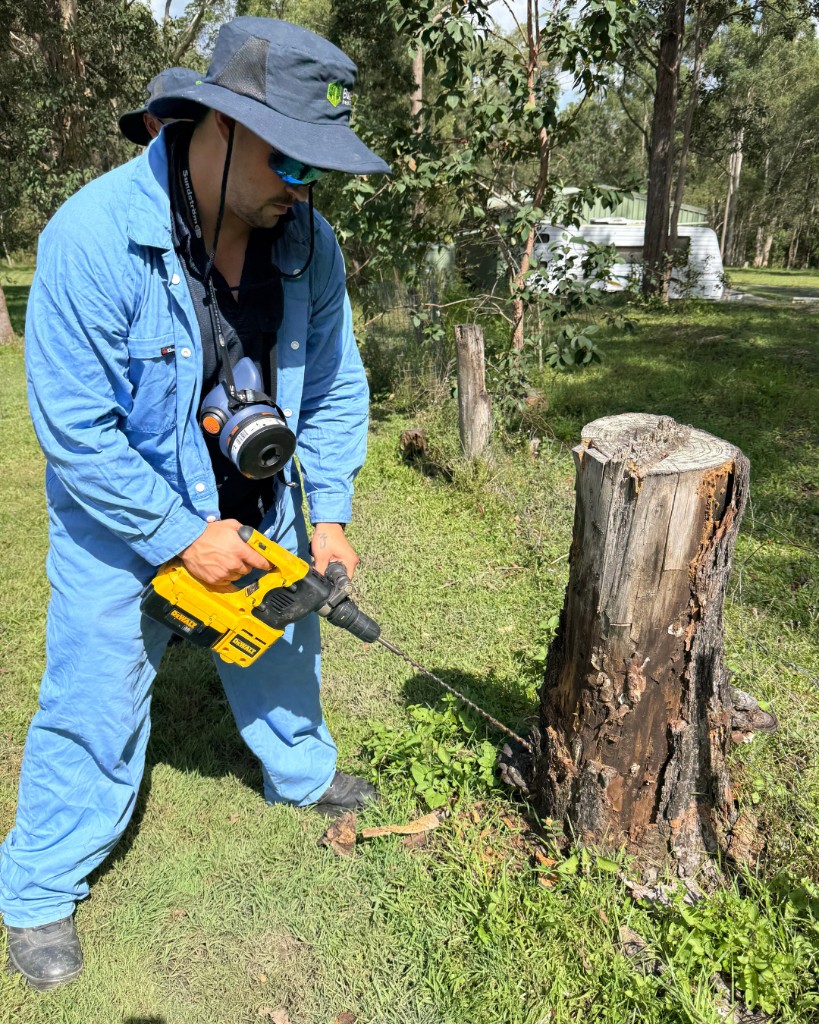
One of the most common questions from prospective students and employers is: "How long does pest control training actually take?" The answer is not a fixed number of weeks. Pest control training in Australia is competency-based and relies on real workplace experience, so the timeframe varies depending on your situation.
Compare pathways on our General Pest Course and Timber Pest Course pages.
This guide explains realistic timelines and the key differences between general pest and timber pest training.
General Pest vs Timber Pest Training: What's the Difference?
Pest control training usually happens in two stages.
General Pest Training (Entry-Level)
- Focus: Common pests, chemical handling, safety, and routine treatments
- Outcome: Eligibility to apply for a general pest management licence (state-dependent)
- Units Required: CPPUPM3005, CPPUPM3006, CPPUPM3018
Timber Pest Training (Advanced)
- Focus: Timber pest inspections, termite management, and specialised treatments
- Outcome: Ability to conduct inspections and install termite management systems
- Units Required: CPPUPM3008, CPPUPM3010
How Long Does Pest Control Training Take?
General Pest Training Duration
Most students complete General Pest Course training in 4 to 8 weeks full-time. This is a typical timeframe, not a fixed-duration course.
Completion time depends on:
- How much time you dedicate each week
- How quickly you complete workplace tasks
- The level of employer support
Timber Pest Training Duration
Timber Pest Course training typically takes 3 to 6 weeks full-time.
This timeframe reflects practical assessment requirements, including:
- 20 real workplace jobs
- 10 timber pest inspections
- 10 timber pest treatments
- Different building types and treatment methods
- Different timber pests such as termites, borers, and decay
These tasks must be completed in real environments with real clients.
Why Pest Control Training Timeframes Vary
Under the 2025 Outcome Standards, training must reflect real industry conditions. Several factors influence how quickly you can complete training.
1. Your Available Study Time
Students who consistently dedicate time each week usually progress faster. Blended models (online plus workplace training) make it easier to integrate study into your routine.
2. Workplace Support
A supportive employer is critical. You need access to:
- Real jobs
- Time for training and assessment
- Supervision and guidance
3. Access to Real Jobs
Pest control is hands-on. Without employment in a pest control company, or a workplace agreement that gives you access to job sites, enrolment and completion may not be possible.
4. Seasonality of the Industry
- Summer (peak season): More jobs, less time for structured training
- Winter (quieter period): Fewer jobs, more time for training support
5. Coordination and Logistics
Timber pest training requires coordination between the student, employer or supervisor, and real customers and job sites. This naturally extends the timeframe.
6. Training Provider Support
- Clear assessment guidance
- Fast feedback
- Ongoing communication
The Reality: Competency Takes Time
Pest control training is not designed to be fast. It is designed to produce competent technicians who can apply treatments safely, make informed decisions in real environments, and work independently.
This level of competency requires real-world experience and repetition.
Final Answer: How Long Does Pest Control Training Take?
- General pest training: 4 to 8 weeks (full-time)
- Timber pest training: 3 to 6 weeks (full-time)
Your actual timeframe depends on your commitment, workplace access, employer support, and availability of real jobs. The most successful students integrate training into day-to-day work rather than treating it as separate.